Why Matunga Remains Mumbai’s Most Trusted Neighbourhood for South Indian Food
A century of Tamil and Kannada heritage and recipes that have barely changed; here's how to plan the perfect Matunga food morning
22 Oct, 2026 by Sakshi Pundir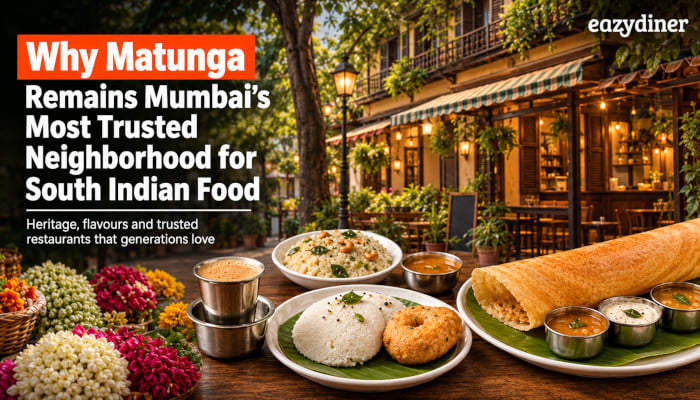
You have heard that Matunga is the place for South Indian food in Mumbai, but every weekend the queues stretch out the door. Families, couples and solo diners all compete for the same handful of tables during peak hours. Knowing why Matunga earned its reputation, and how to secure a confirmed seat, can transform your next meal.
TL;DR - Summary
- Why is Matunga Mumbai's South Indian food hub?
Matunga has been home to a large Tamil and South Indian community since the early twentieth century. That cultural concentration created a dense cluster of authentic eateries serving traditional recipes passed down through generations.
- What makes the food here different?
Matunga's kitchens prioritise time-honoured techniques: stone-ground batters, brass-filtered coffee and banana-leaf service. The neighbourhood's culinary identity is rooted in consistency rather than novelty.
- How can diners avoid long waits?
Booking a table in advance through EazyDiner can help diners skip peak-hour queues, especially on weekends and festival days when walk-in waits tend to be longest.
- Who should visit Matunga for a meal?
Food explorers seeking authentic flavours, heritage diners curious about Mumbai's cultural pockets and families wanting a reliable, vegetarian-friendly meal will all find Matunga rewarding.
How Matunga became Mumbai's South Indian heartland
Matunga's identity as a South Indian enclave dates back to the early 1900s, when Tamil, Kannadiga and Telugu families settled in the area after the city's development trust allocated plots in central Mumbai. Over decades, these communities established temples, schools and, crucially, eateries that reflected the food traditions of their home states.
Unlike neighbourhoods where cuisines arrive and fade with trends, Matunga's South Indian food scene grew organically from its resident community. The result is a concentration of kitchens where recipes have been refined over generations, not months. That continuity is precisely what draws diners from Bandra, Andheri and beyond to a relatively compact stretch of streets.
What sets Matunga's South Indian food apart from the rest of Mumbai
Several factors distinguish Matunga from other pockets of Mumbai where South Indian food is available. The neighbourhood's eateries tend to use stone-ground batters for dosa and idli, brass-drip methods for filter coffee and banana leaves for serving traditional meals. These details may sound small, but they shape flavour and texture in ways that shortcuts cannot replicate.
Matunga's kitchens also lean heavily vegetarian, reflecting the dietary preferences of the community that built them. Diners looking for pure-veg South Indian restaurants in Mumbai will find Matunga one of the most dependable areas in the city, with menus centred on dosa, idli, vada, uttapam and full thali meals.
The dishes that define a Matunga meal
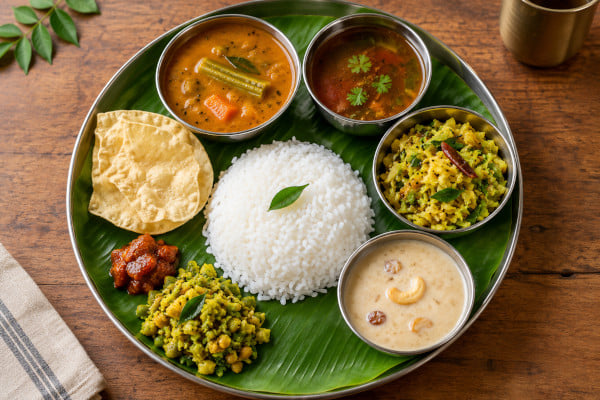
A first visit to Matunga typically starts with a crisp dosa, whether plain, masala or rava, paired with freshly made coconut chutney and sambar. Filter coffee is almost mandatory. Brewed in traditional dabaras and tumblers, Matunga's filter coffee is often cited by regulars as reason enough to make the trip across Mumbai.
Beyond breakfast staples, Matunga's eateries serve elaborate South Indian thalis at lunch, featuring rice, rasam, kootu, poriyal and payasam. These meals offer a complete, balanced plate that appeals to families and heritage diners who value a sit-down experience over a quick bite. Weekend lunch hours tend to be the busiest window across the neighbourhood.
Why weekends and festivals create long queues in Matunga
Matunga's eateries are compact. Most seat between thirty and sixty diners at a time, and the neighbourhood's reputation means demand regularly outstrips capacity on Saturdays, Sundays and festival days such as Pongal, Onam and Ganesh Chaturthi. Walk-in diners during these windows often face extended waits, particularly between 9 and 11 AM for breakfast and 12:30 to 2 PM for lunch.
The challenge is amplified for groups. A family of five or six needs a larger table, and those turn over more slowly. Planning ahead becomes essential if you want to enjoy Matunga's food without spending half the outing standing in a queue. A confirmed reservation can help ensure your group is seated promptly on arrival.
How to book a table at popular Matunga spots using EazyDiner
EazyDiner allows diners to book a table at South Indian restaurants in Matunga ahead of time, which can help reduce the uncertainty of walk-in dining during peak hours. Searching for South Indian restaurants in Mumbai on the EazyDiner app surfaces options in and around Matunga, complete with available time slots for breakfast, lunch and dinner.
- Search by cuisine and location on EazyDiner
- Pick a time slot that suits your group
- Receive a booking confirmation before you leave
- Arrive and get seated without a queue
- Check for dining deals or prepaid offers
Booking in advance is especially useful for weekend breakfast, when Matunga's most popular spots fill up quickly. A confirmed reservation through EazyDiner means your table is ready when you arrive, so you spend your morning eating rather than waiting. Families with young children and elderly members particularly benefit from this certainty.
Matunga beyond the plate: a neighbourhood worth exploring
Matunga is not only about food. The neighbourhood is home to flower markets, book stalls and some of Mumbai's oldest temples. A meal here can easily become a half-day outing, with families browsing the flower vendors on Matunga Road before or after a leisurely breakfast. The area's walkability makes it accessible even for visitors unfamiliar with central Mumbai
For food explorers and heritage diners, Matunga offers something rare in a city that reinvents itself constantly: a neighbourhood that has stayed true to its culinary roots for over a century. That authenticity, paired with the convenience of modern table booking through EazyDiner, makes Matunga a destination worth returning to again and again.
If you have been meaning to explore Matunga's South Indian food scene, start by booking a table on EazyDiner for your next weekend breakfast or lunch. A confirmed reservation can help you skip the queue and focus on what matters: enjoying a meal rooted in over a century of tradition, with your family comfortably seated from the first minute.
Written By

Sakshi is a Russian literature enthusiast with an undying love for dystopian movies and sci-fi stories. Apart from this, she enjoys cooking, scrapbooking, and watching stand-up specials in her free time. She is particularly fascinated by pop culture and the digital world that pervades our identities and shapes our ideologies.