
The House Of Suntory: Where Quiet Luxury Finds Its Perfect Expression
From Yamazaki to Hibiki and Toki, Japan’s best whiskies stand out for their balance, precision, and understated charm
02 Apr, 2026 by Shreem Nema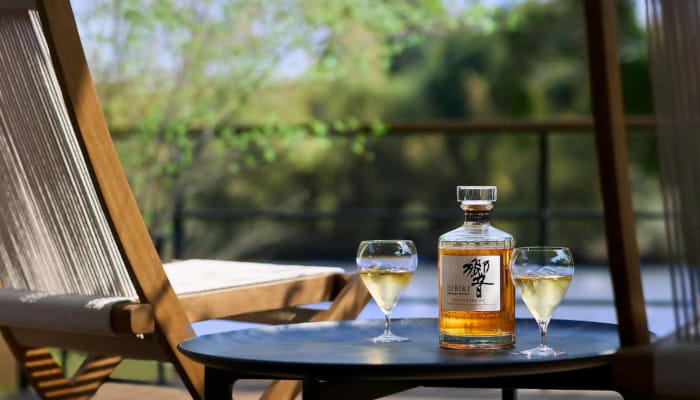
Across India’s cosmopolitan cities, the idea of luxury is being rewritten. The days when indulgence was defined by spectacle, by gilded packaging, by loud statements, by names chosen for recognition rather than resonance are fading fast. Today, luxury has learned to whisper. It is no longer about what you show, but what you understand. And nowhere is this quiet transformation more evident than in the way India is beginning to drink.
A decade ago, whisky was still largely a measure of status. The imported bottle gleaming behind the bar was as much about its label as its liquid. But as the new generation of Indian consumers matures, well-travelled, informed, and attuned to authenticity, that idea has evolved. The modern connoisseur isn’t asking how old a whisky is. They’re asking why it tastes the way it does. They’re seeking origin, craft, and a sense of philosophy in every pour.
This cultural shift has opened the door for a different kind of luxury, one that mirrors the calm precision of the Japanese aesthetic, quiet luxury. It is understated yet intentional, refined yet warm, and it finds its most poetic expression in The House of Suntory.
Luxury, Reimagined for a New India
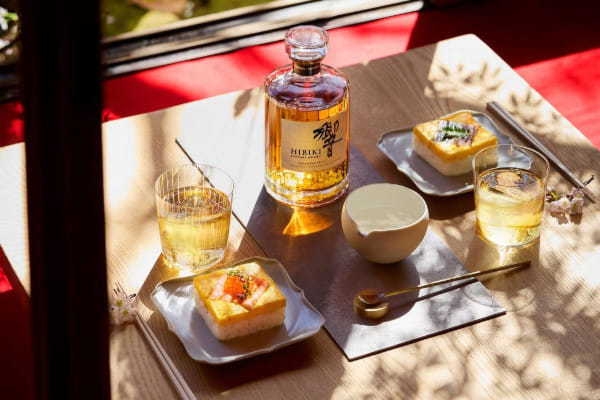
India’s luxury consumers today are a fascinating study in contrast. They are global in their exposure yet rooted in discernment. They may enjoy an Italian suit or a Kyoto ceramic but the choice, always, is thoughtful. They have moved past performance to preference. And in the world of spirits, it has meant moving from possession to appreciation. The rarest bottle is no longer the one that shouts from a shelf; it’s the one that speaks through its story.
For many, that discovery begins with Japanese whisky. Long admired by collectors but now embraced by a younger, more intuitive audience, Japanese whiskies resonate deeply with India’s evolving palate. They offer elegance without edge, complexity without confusion, a mirror to how modern India itself is redefining success.
Within this space, the House of Suntory stands apart. Founded in 1899 by Shinjiro Torii, it was born from a dream to create a spirit that captured Japan’s soul. Torii didn’t want to imitate Scotch; he wanted to interpret it and to create something shaped by Japanese nature, balance, and time. Over a century later, his vision continues to guide Suntory’s most celebrated expressions: Yamazaki, Hibiki, and Toki. Together, they are less a collection and more a philosophy. Each one feels like a conversation between tradition and innovation, between the maker and the moment.
Yamazaki: A Profound Single Malt
Every story has a beginning, and for The House of Suntory, it begins in a place that seems almost made for contemplation. The Yamazaki Distillery, established in 1923 on the misty outskirts of Kyoto, is where Japan’s whisky journey took root. The location was chosen for its pure, soft waters and its shifting climate, elements that bring subtle variations to every batch.
The Yamazaki 12 Years Old, the distillery’s signature expression, opens gently. The nose opens with ripe persimmon, peach, and soft vanilla, creating a gentle and fruity first impression. On the palate, coconut and butter unfold with a deep sweetness, rounded by subtle layers of Japanese oak. Hints of cranberry, sweet ginger, and cinnamon emerge gradually, adding warmth and quiet complexity. The finish is sweet with vanilla, carried by a pleasant woodiness that lingers long after the sip. Nothing here is loud or hurried; every note feels intentional, every layer balanced. Yamazaki is not a whisky that competes for attention; it earns it quietly, through patience and precision.
In India, this resonates deeply. The country’s new collectors and whisky enthusiasts find in Yamazaki an echo of their own sensibilities, a blend of tradition and individuality. For them, Yamazaki is not a trophy bottle; it’s an experience in stillness - one that is reflected in its growing global acclaim, including Yamazaki 18 Years Old being named the Supreme Champion Spirit at the International Spirits Challenge 2025. It’s proof that mastery lies not in doing more, but in doing one thing perfectly.
Hibiki: The Pinnacle of Japanese Culture
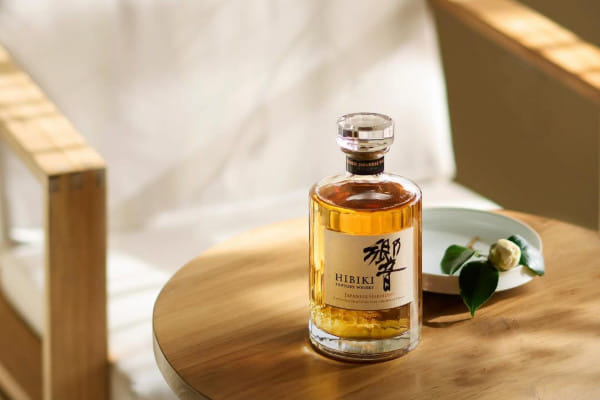
If Yamazaki is the expression of place, Hibiki is the expression of the people of their collective craftsmanship and their pursuit of harmony. It is a celebration of blending as an art form. Each bottle of Hibiki brings together dozens of malt and grain whiskies, each matured in a variety of casks, and blended with such precision that the result feels seamless, a composition where every note supports the other.
Hibiki opens with a delicate fragrance of rose, lychee, honey, and sandalwood. On the palate, it glides between sweetness and spice, revealing layers that unfold gradually rather than all at once. The finish lingers softly, like the fading echo of a perfectly tuned note, calm, resonant, and deeply memorable. Its bottle itself tells the same story: twenty-four facets symbolising the twenty-four micro seasons of Japan, a reminder that time and nature are collaborators in the art of creation.
In India’s growing circle of discerning drinkers, Hibiki has become the whisky of reflection. It’s the drink for slow evenings, intimate conversations, and quiet celebrations. It captures the emotion behind the craft, not just what’s in the glass, but the intention behind it.
At tastings in different cities, you can hear this shift in tone. Enthusiasts no longer discuss the whisky’s price first; they discuss its balance, its “texture,” its meditative quality. Hibiki isn’t simply consumed; it’s contemplated.
Toki: Where Old Meets New Japan
While Yamazaki and Hibiki evoke history, Toki speaks to the present. It’s the entry point for a new generation discovering Japanese whisky — younger, social, and open-minded. A blend from the Yamazaki, Hakushu, and Chita distilleries, Toki translates Suntory’s philosophy into a lighter, more versatile experience.
Toki greets you with the brightness of green apple and basil, followed by honey, vanilla, and a clean whisper of spice. It’s smooth, crisp, and endlessly adaptable, the kind of whisky that feels just as elegant in a cocktail as it does neat.
But where Toki truly shines is in the Japanese Highball, the country’s most understated yet precise drinking ritual. A simple combination of whisky, soda, and ice, but executed with perfection. Each pour, each stir, each bubble calibrated to heighten the whisky’s natural balance.
In India’s new-age bars, from Mumbai’s speakeasies to Gurugram’s rooftop lounges, the Highball has become a symbol of a more conscious drinking culture. It’s refreshing, ritualistic, and refined, everything that quiet luxury aspires to be.
Toki, in this sense, embodies where modern India is headed. It speaks to those who value intention over impulse, who find joy in subtlety. It’s whisky for those who believe that sophistication doesn’t need to be serious.
A Cultural Confluence
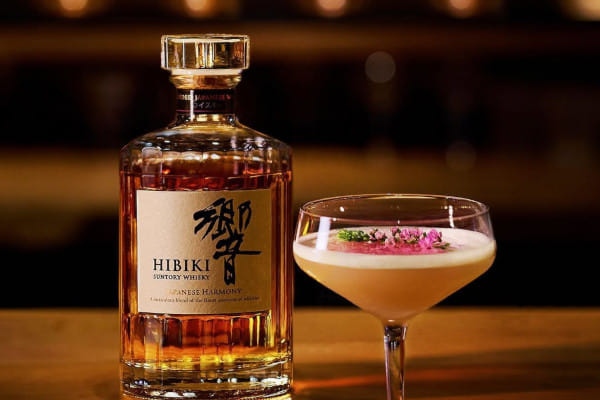
What unites Yamazaki, Hibiki, and Toki isn’t just their shared Japanese heritage; it’s their shared philosophy. Each expression captures the Japanese principle of monozukuri, the art of making with heart, precision, and purpose. In every stage of creation, from water selection to blending, there is reverence. Nothing is rushed, nothing is wasted.
This philosophy finds a natural audience in India’s evolving luxury landscape. The modern Indian consumer, informed yet intuitive, values the story behind the product as much as the product itself. They appreciate heritage, but they also seek meaning. And in The House of Suntory, they find both.
At intimate whisky tastings and private gatherings across India, you’ll find this change unfolding in real time. Guests no longer debate which bottle looks most impressive on the shelf; they talk about oak, aroma, and aftertaste. They speak of “balance” and “expression.” It’s not performance; it’s participation.
The Stillness of Luxury
True luxury, at its core, has never been about accumulation. It has always been about awareness of materials, of craftsmanship, of the quiet beauty in doing things well. That is what defines The House of Suntory. Each bottle is an invitation to pause, to appreciate what cannot be replicated: time, patience, and the human touch.
Whether it’s the richness of Yamazaki, the graceful harmony of Hibiki, or the fresh clarity of Toki, every expression carries the same unspoken message that restraint can be powerful, that silence can be expressive.
In India, that message has found its moment. The new luxury drinker isn’t chasing extravagance; they’re curating experience. They’re discovering that the true joy of whisky lies not in collecting bottles, but in understanding them. And in that understanding, Suntory stands as a quiet guide, elegant, timeless, and deeply human.
Because the finest things in life rarely demand attention. They invite it. They linger. They remind us that beauty, when created with sincerity, doesn’t need to announce itself.
It simply exists. Quietly, perfectly waiting to be discovered.
Written By

A storyteller at heart, Shreem is a writer who finds magic in life's smallest moments. She devours stories in every form, movies, shows, books, or comics; she loves diving into narratives that spark imagination. She often geeks out on space and food trivia, and loves travelling while learning about new cultures and languages.