
Best Practices for Reducing No Shows With Reservation Management in Indian Restaurants
Structured reservation workflows can help Indian restaurants protect peak hour revenue
28 Nov, 2026 by Editorial Team
Empty tables during a Friday dinner rush cost more than lost covers. They ripple through kitchen prep, staffing plans and guest experience. For Indian restaurant operators, no shows remain one of the most frustrating revenue leaks, especially during weekends, festivals and high demand periods. EazyDiner's Livetable reservation management platform is designed to help operators tackle this problem with structured booking workflows, automated confirmations and smarter policies that can protect both revenue and service quality.
TL;DR - Summary
- Why do no-shows hurt Indian restaurants?
Every unfilled table during peak hours represents lost revenue that cannot be recovered. Kitchen prep, staffing and ingredient costs are already committed, so a single no-show can cascade into wider operational waste.
- Can reservation management reduce no-shows?
Yes. Structured confirmation workflows, automated reminders and clear cancellation policies can help restaurants significantly lower no-show rates by keeping guests accountable and informed.
- What role does Livetable play?
Livetable by EazyDiner is a restaurant SaaS platform designed to help operators manage reservations, send booking confirmations and track table utilisation, giving Indian restaurants the tools to reduce no-shows systematically.
- Which practices matter most?
The highest impact practices include automated SMS or WhatsApp reminders, requiring reconfirmation before peak slots, setting clear cancellation windows and using waitlist management to fill last-minute gaps.
Why no shows matter
A no show is not simply an empty chair. Indian restaurants, particularly those in metro cities like Delhi NCR, Mumbai and Bangalore, operate on thin margins. When a party of four fails to arrive on a Saturday evening, the restaurant loses that table's potential revenue for the entire seating window.
The damage extends beyond one meal. Kitchen teams prepare ingredients based on expected covers. Front of house staff are scheduled around anticipated demand. When guests do not show up, those costs remain fixed while income drops. Over weeks and months, even a modest no show rate can erode profitability.
7 best practices for reducing no shows
Indian restaurant operators can adopt these practices to bring no show rates down. Each one addresses a specific gap in the booking workflow.
1. Send automated booking confirmations
Every reservation should trigger an immediate confirmation via SMS, WhatsApp or email. Guests who receive a clear confirmation with date, time and party size are more likely to treat the booking as a commitment. Livetable by EazyDiner is designed to automate this step, removing the need for manual follow up calls.
2. Use timed reminders before the reservation
A single reminder 24 hours before the booking, followed by a second reminder 2 to 4 hours ahead, can help keep the reservation top of mind. Many no shows happen because guests simply forget. Automated reminders through a reservation management system reduce this risk without adding work for the host team.
3. Require reconfirmation for peak slots
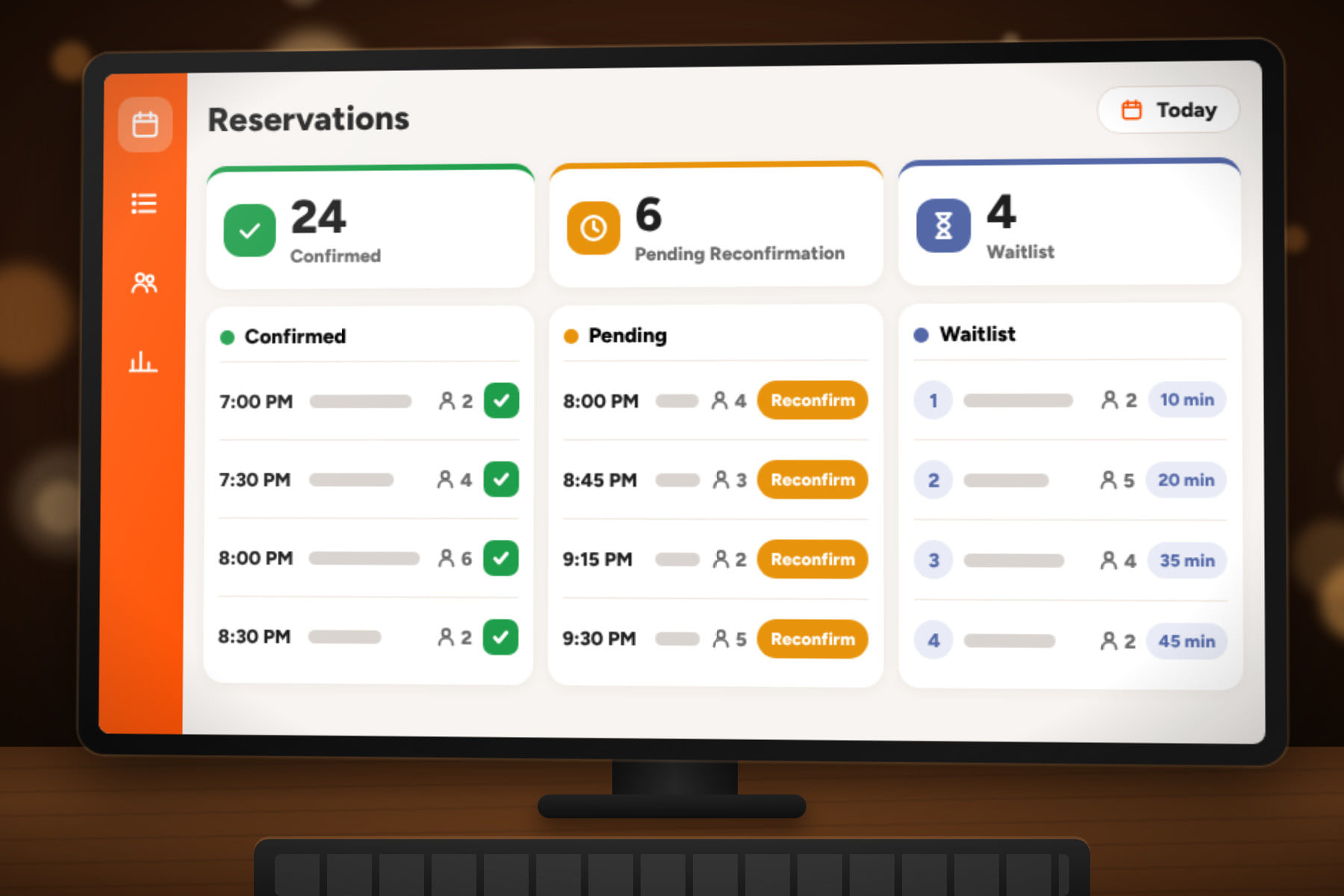
For high demand periods such as weekend dinners, festival nights or special occasions, restaurants can ask guests to reconfirm their booking. A simple "Reply YES to confirm" message sent the morning of the reservation creates a checkpoint. If a guest does not reconfirm, the table can be released to the waitlist.
4. Set a clear cancellation policy
Guests are less likely to no show when they know a cancellation policy exists. Restaurants should communicate the policy at the time of booking: for example, cancellations accepted up to 4 hours before the reservation. Displaying the policy on the booking confirmation itself reinforces accountability.
5. Maintain an active waitlist
A waitlist acts as a safety net. When a cancellation or no show occurs, the next guest on the waitlist can be contacted immediately. Livetable's reservation management tools are designed to help operators manage waitlists alongside confirmed bookings, so tables are filled quickly rather than sitting empty.
6. Track no show patterns
Reservation management software can help restaurants identify repeat no show guests and spot patterns by day, time or party size. If a restaurant notices that large group bookings on Friday evenings have a higher no show rate, the operator can apply stricter confirmation requirements for those specific slots.
7. Consider deposit or prepaid policies for large bookings
For parties above a certain size, or during peak festive periods, requiring a small deposit or offering a prepaid dining deal can help secure commitment. EazyDiner's prepaid dining deals already familiarise Indian diners with advance payment, making this approach less unusual than it might have been a few years ago.
How reservation management ties it together
Individual practices work best when they operate within a single system rather than as disconnected steps. Reservation management software like Livetable brings confirmations, reminders, waitlists and guest history into one dashboard. This means the host team does not need to juggle phone calls, paper diaries and separate messaging apps.
For Indian restaurants specifically, where walk-in culture is still strong, a reservation system also helps balance walk-in guests with booked tables. Operators can allocate a portion of tables for walk-ins while protecting reserved seating, reducing the temptation to overbook as a hedge against no shows.
Why this matters for Indian operators
Indian dining culture is evolving. More guests in cities like Delhi NCR, Mumbai and Bangalore now expect to book tables online, especially for weekend dinners and celebrations. As online reservation adoption grows, so does the risk of no shows from casual or forgotten bookings.
Restaurants that invest in structured reservation management can protect their revenue during the periods that matter most. Livetable by EazyDiner is designed to give Indian restaurant operators the workflow tools to manage this shift, from automated confirmations to guest tracking, without requiring a large technology team.
Reducing no shows is not about punishing guests. It is about building a booking experience that respects both the diner's time and the restaurant's capacity. Operators who adopt these practices consistently can expect to see fewer empty tables, better kitchen planning and a smoother service for the guests who do arrive.