
Tête-À-Tea With Sachin Pabreja: Ritu Dalmia On Building Diva, Defining Italian Dining And Staying Authentic
From humble beginnings to global recognition, the culinary pioneer opens up about curiosity, resilience and the lessons that shaped her remarkable journey
20 Jul, 2026 by Sachin Pabreja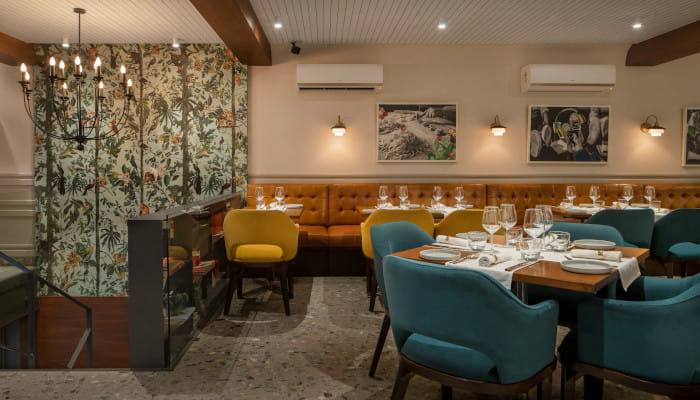
Before regional Italian cuisine became part of India's culinary vocabulary, Ritu Dalmia was quietly changing the conversation, one thoughtfully crafted dish at a time. What began with a deep curiosity for Italy's food culture grew into a lifelong pursuit of honest cooking, celebrated restaurants and a legacy that stretches from Delhi to Milan and Dubai. In this edition of Tête-À-Tea With Sachin Pabreja, Ritu shares the stories behind the milestones, the ingredients she refused to compromise on, and why simplicity remains the finest expression of great food.
Where It All Began
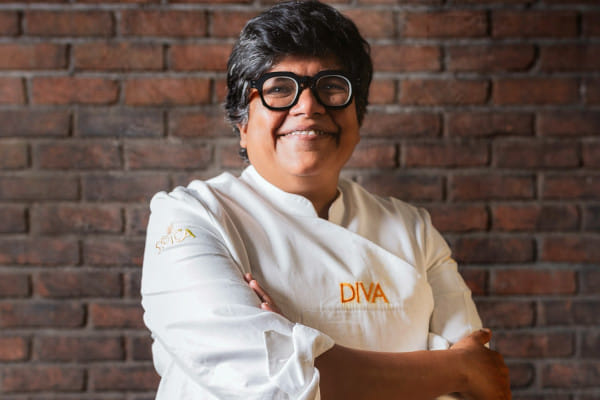
1. You joined your family’s stone and marble business at sixteen, with no formal culinary training. What did those years teach you that the kitchen later borrowed?
Honestly, the marble business was just my passport to Italy. I was learning more about food than stone. I realised very early that curiosity is the best education you can have. Everything I know about cooking started with travelling, tasting and asking questions. 2. You opened MezzaLuna in Delhi in 1993, barely into your twenties, and it didn’t survive. Looking back, what was Delhi not ready for then, and when did you feel the city finally caught up to you?
In 1993, Italian food in India was largely understood as pizza and pasta drenched in cheese. MezzaLuna was trying to introduce regional Italian cooking, simple flavours and quality ingredients at a time when people weren't necessarily looking for that. It wasn't a commercial success, but it taught me lessons that no success ever could. Over the years, Delhi's diners have travelled more, become more curious and more willing to appreciate authenticity. I don't know if the city caught up to me, or if I simply grew alongside it. Today, people ask where the olive oil comes from or why a pasta has only three ingredients. Those are conversations that simply didn't exist three decades ago, and it's wonderful to see that evolution.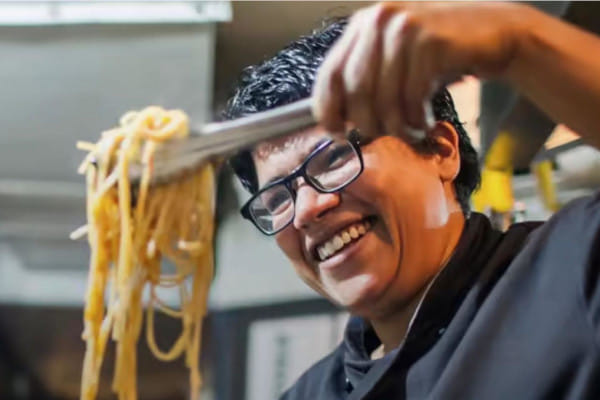
3. Your father used to bring back olive oil, pasta and cheese from his trips to Italy. Was there a single dish or moment that made you think, “This is the cuisine I want to spend my life with”?
The first thing that struck me was how deeply food was woven into everyday life. People cooked with incredible respect for ingredients, ate seasonally, lingered over meals and celebrated simplicity. That philosophy resonated with me far more than any individual recipe. If I had to pick a moment, it would probably be sitting at a small, family-run trattoria, eating a bowl of pasta with only a handful of ingredients but tasting extraordinary. It made me realise that great cooking isn't about complexity; it's about letting the ingredients shine. That idea has stayed with me ever since.
Diva and the Italian Chapters
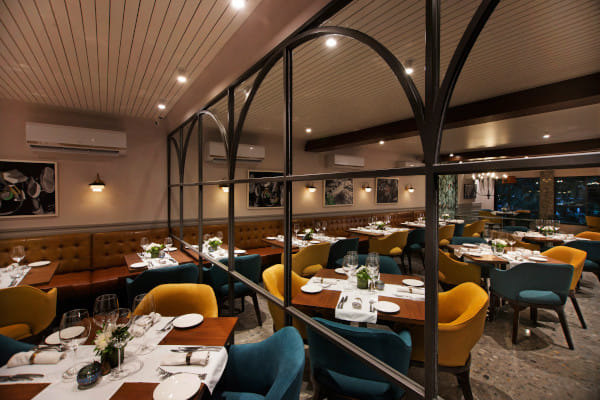
4. Diva turned 25 this year. What’s the one thing about it you’ve refused to change, no matter how Delhi’s restaurant scene shifted around it?
Authenticity. I've never believed in changing the food just to follow trends. At DIVA, we've always cooked the kind of Italian food we believe in, ingredient-led, seasonal and honest. Menus evolve, ingredients improve, but that philosophy has never changed.
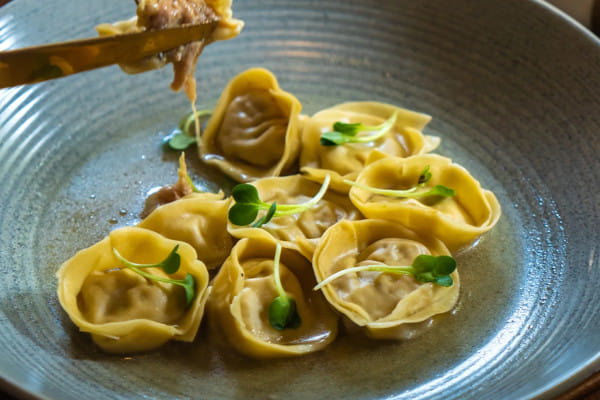
5. You’re the first chef to oversee the Italian Embassy’s restaurants worldwide - cooking Italian food for actual Italians, diplomats and a very particular crowd. How does cooking inside that world change the way you cook?
It doesn't really change the way I cook. It reinforces why I cook the way I do. When you're serving Italians, there's nowhere to hide. The food has to be honest, respectful of tradition and technically sound. It's a reminder that authenticity is never about being complicated; it's about getting the basics absolutely right.
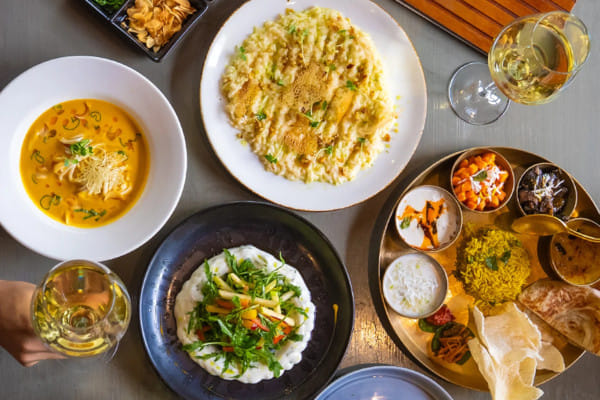
6. You’ve said Italian patrons were hesitant at first, until they tasted your food. What’s the most memorable reaction you’ve had from an Italian eating your version of their classics?
The most memorable reaction wasn't praise; it was curiosity. Many Italians came in sceptical, but after the meal, they wanted to know where I had learnt Italian cooking. That change in perception meant far more than any compliment.
Milan - Coming Full Circle
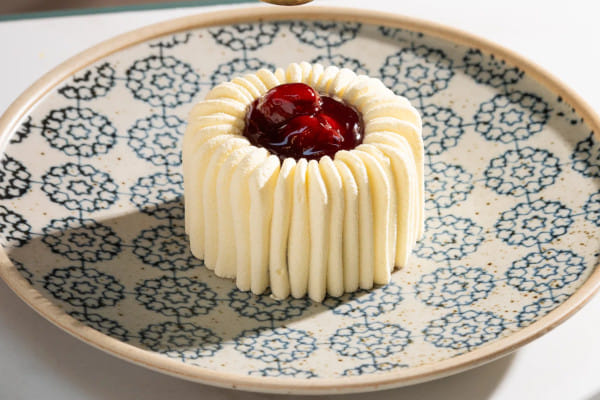
7. You took your food to Italy itself with Cittamani in Milan - an Indian woman serving Italians in their own country, then bringing Indian flavours to them. What did Milan teach you that India never could?
Milan taught me that people are far more open than we often imagine. I didn't go there to reinvent Indian food. I went there to tell the stories of the food I grew up with. Cittamani gave me the confidence to celebrate India's regional, home-style cooking in a country that knows and respects tradition. If anything, it reaffirmed my belief that authenticity always travels well.
Atrangi and Dubai
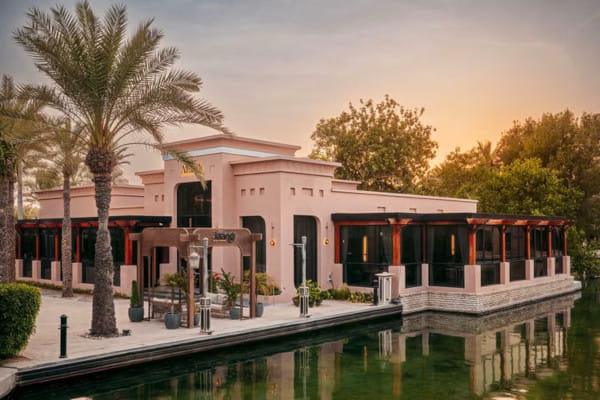
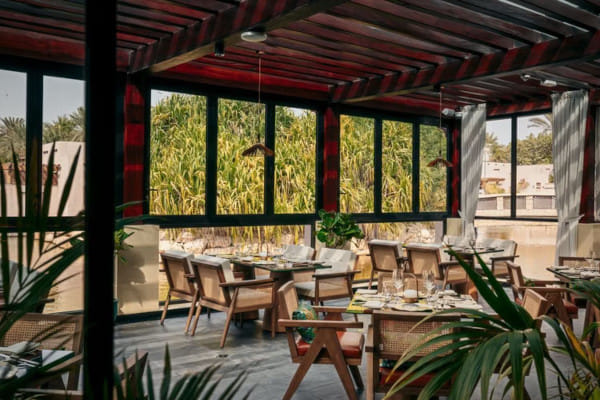
8. Atrangi is your first restaurant in the Middle East, and a real turn; it’s Indian, not Italian. After a career introducing Italy to India, what made you want to bring the Indian subcontinent to Dubai?
Italian food will always be my first love, but Indian food is part of who I am. After years of introducing Italy to India, and India to Italy, it felt like the right time to tell India's story in a way that was personal. With Atrangi, I felt it was time to tell a more nuanced story of Indian food, one that's rooted in regional traditions, community recipes, techniques and home cooking, rather than the usual restaurant clichés. Dubai, with its incredibly diverse and curious audience, felt like the right place to have that conversation.
9. The name itself, “Atrangi” - quirky, unconventional, a little wild. How much of that word is the restaurant, and how much is just you?
I'd like to think the restaurant is more atrangi than I am. The name isn't really about me; it's about India. Ours is such a wonderfully diverse country, where food changes every few kilometres. I wanted the restaurant to reflect that sense of discovery, surprise and individuality.
10. Running kitchens across Delhi, Milan and Dubai, how do you keep the food tasting like you when you can’t be in three places at once?
I've learnt that a restaurant can't depend on one person standing at the pass. It depends on people who understand your philosophy. Recipes can be written down, but judgement, restraint and respect for ingredients have to be taught over time. I'm fortunate to have teams who've been with me for years, and that's what keeps the food consistent, whether it's Delhi, Milan or Dubai.
The Craft and Philosophy
11. You’ve long cooked the way Italians actually eat at home, not the restaurant-fancy version. How do you hold that line in a country that often equates “imported” with “premium”?
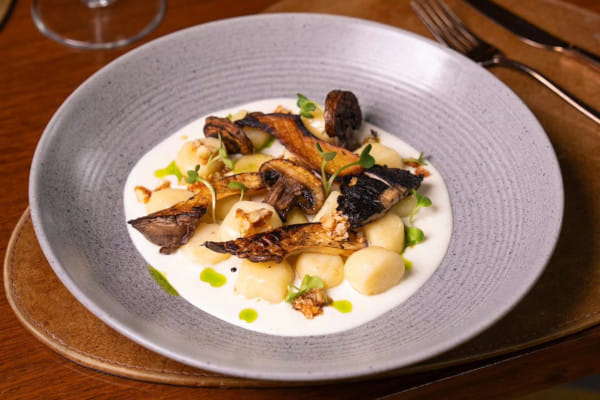
I've never confused premium with expensive or imported. You don't make a dish better by adding more to it; you make it better by respecting the ingredients. That's the essence of Italian cooking: simplicity, restraint and letting great produce speak for itself. It's how Italians cook at home, and it's how we've always cooked at DIVA.
12. Sourcing for authentic Italian food in India was brutal in the early years. What’s a battle you fought over a single ingredient that you’re oddly proud of?
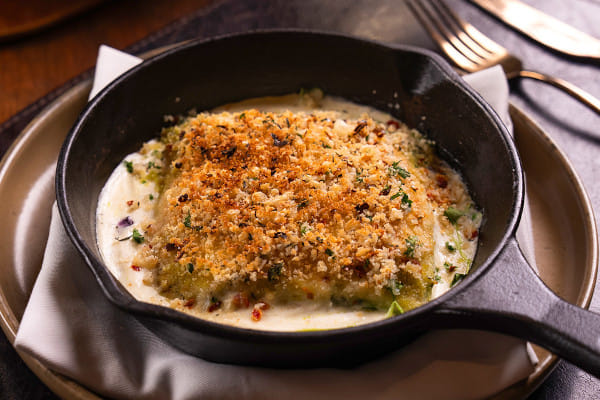
Cheese! There was a time I'd fly back from Italy with varieties and varieties stuffed into one suitcase because there was simply no way to source them here. It sounds completely ridiculous now, but I was convinced that if I wanted people to understand Italian food, I couldn't compromise on the ingredients. Looking back, I'm rather proud of that madness.
13. What’s a dish on your menu guests underestimate, but that you’d serve to another chef to show what you can really do?
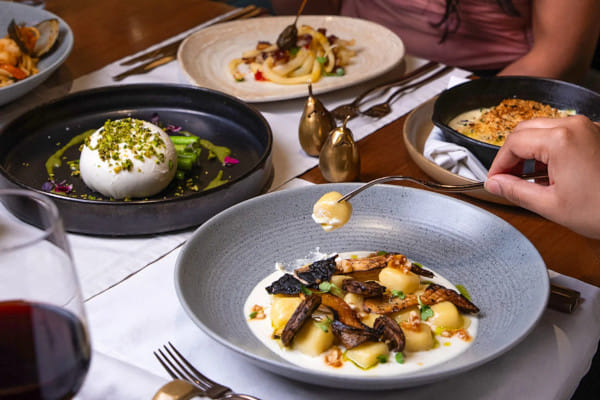
A simple spaghetti al pomodoro. People often underestimate it because it looks effortless. But that's precisely why I'd serve it to another chef, and it's my favourite.
The Person Behind the Chef
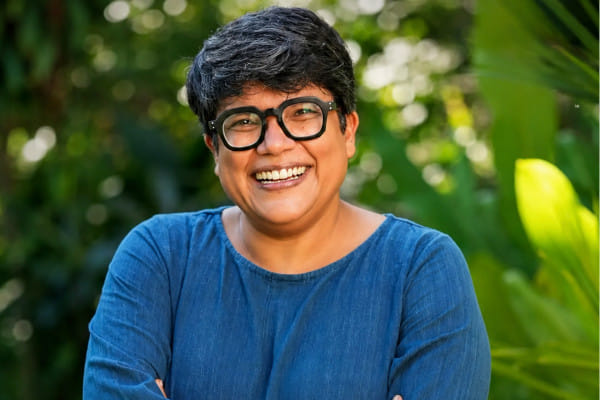
14. You’ve been open about your life in ways many chefs aren’t, including a very public role in the Section 377 fight. Has being that open ever cost you anything, and would you still choose it?
People did advise me against speaking out, but it was something I believed in. I have always wanted to be known simply as a chef, but there are moments when you have to stand up for what is right and what you believe in.
15. When Ritu Dalmia is tired and unfussy, what does she actually eat?
Nothing fancy. It depends on where I am. If I'm craving Italian, it's a simple spaghetti with tomato and basil. If I'm craving home, it's dal chawal or kadhi chawal. The older I get, the more I believe comfort lies in simplicity.
Contribution and Legacy
16. You’ve said the real reward is seeing kids who started at Diva now killing it out there. What do you hope the next generation takes from you, and what do you hope they leave behind?
The greatest joy is seeing them find their own voice. I hope they take with them curiosity and respect for the craft. What I hope they leave behind is the idea that there's a shortcut to becoming a good chef. There really isn't.
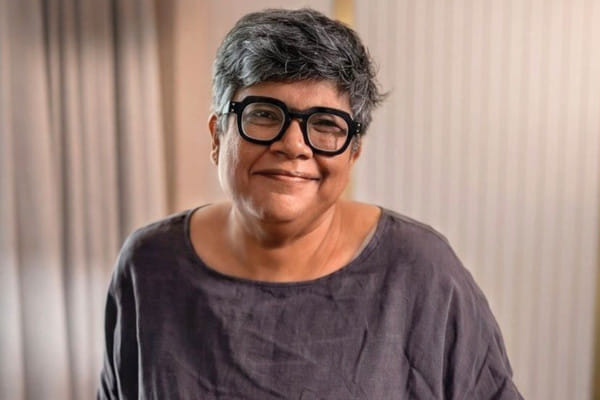
17. If a young woman walked into your kitchen wanting to open a restaurant in a cuisine nobody believes in yet, what’s the one thing you’d tell her?
If you believe in it, don't wait for everyone else to. When I opened my first Italian restaurant, very few people believed there was an audience for it. Sometimes you have to be a little stubborn. Just make sure your conviction is backed by hard work and good cooking.
The Closing Sip
Three quick pours before the last sip:
1. A meal is incomplete without...
Someone to share it with or feed it to!
2. The most overrated ingredient?
Truffle oil.
3. If you had to choose one last meal on Earth, it would be...
Dal chawal and baingan bhaja.
From The Editor's Table
My recommendations: five exquisite dishes that best showcase Diva's refined take on regional Italian cuisine:
- Spaghetti with a Duo of Cherry Tomatoes, Ricotta & Pistachio Pesto: A beautifully balanced pasta that combines sweet cherry tomatoes, creamy ricotta and nutty pistachio pesto for a fresh, vibrant finish.
- Pumpkin Gnocchi: Pillowy house-made gnocchi tossed in butter, sage, parmesan and caramelised hazelnuts, delivering comforting flavours with every bite.
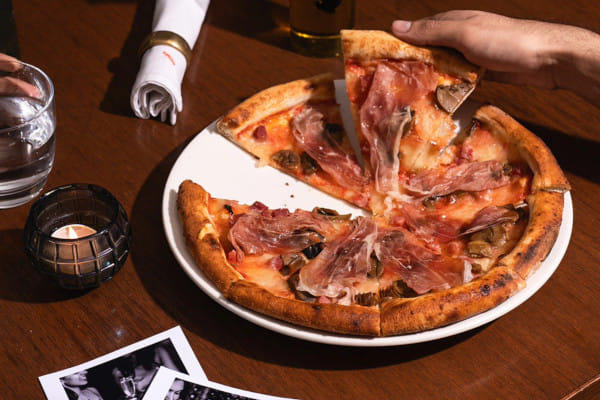
- Pizza Funghi: A handcrafted pizza topped with wild mushrooms, mozzarella, gorgonzola and parmesan, making it a must-order for mushroom lovers.
- Burrata with Cold Tomato Ragù & Lacquered Pumpkin Seeds: Creamy burrata paired with a refreshing tomato ragù and crunchy pumpkin seeds for an elegant starter that's simple yet memorable.
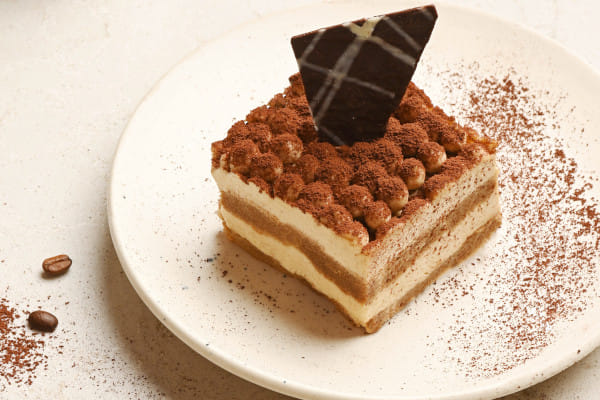
- Diva's Classic Tiramisu: The restaurant's signature rendition of the beloved Italian dessert, layered with rich mascarpone and coffee-soaked sponge for a timeless sweet ending.
Written By

A hotelier and restauranteur with more than two decades of experience in the F&B and Hospitality industries, Sachin Pabreja is Co-founder of EazyDiner, India’s only instant table reservation platform. He is passionate about changing the landscape of the Indian F&B industry. Prior to EazyDiner, Sachin worked at The Imperial, Grand Hyatt as well as Claridges Hotel in New Delhi and remains focussed and committed to creating innovative and exceptional products in the F&B and Hospitality industries.