
Tête-À-Tea With Sachin Pabreja: Zachariah Jacob On Building Mahabelly, Bringing Kerala To Delhi And Keeping It Authentic
From a homesick craving for Kerala food to a growing restaurant brand, the Mahabelly founder talks about resilience and keeping the taste of home alive
10 Aug, 2026 by Sachin Pabreja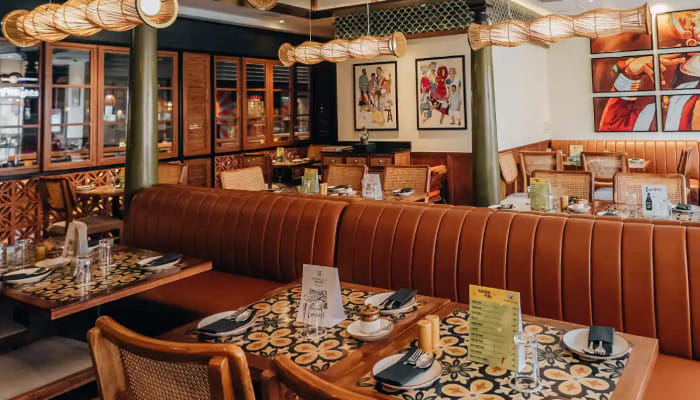
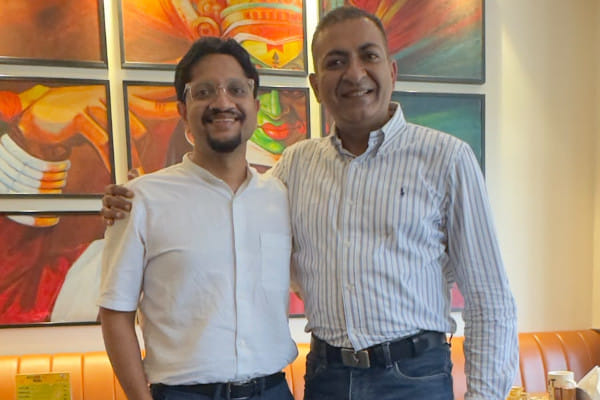
I first met Zachariah Jacob and Thomas Fenn - the duo behind Mahabelly - in 2015, when they opened the restaurant in Delhi, and eleven years on, it has been remarkable to watch the brand evolve while staying rooted in Kerala’s cuisine and culture. What began as a homesick craving for a proper Kerala meal has grown into a restaurant that brings together food, memory and community. With Onam around the corner, Mahabelly is also a must-try destination for experiencing the festival through its much-loved Sadhya. In this edition of Tête-À-Tea, Zachariah talks about building Mahabelly without a hospitality background, staying true to the cuisine while keeping it accessible, and the journey of turning a simple craving into a brand that feels like home.
The Origin Story
1. Take me back to day one - was there a specific dish, a specific ache of homesickness, that made you say, “we need to build this”?
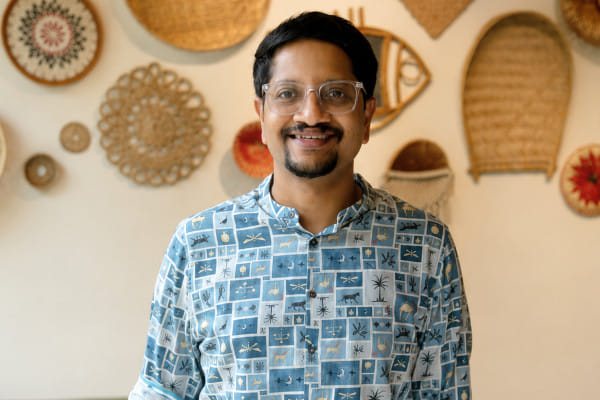
It was less about one particular dish and more about the constant craving for a decent Kerala meal. My former partner, Thomas Fenn, and I came to Delhi in 2006 to study at St Stephen’s College. Like most Malayalis living away from home, for us, food became the strongest connection back to Kerala. You could get dosa and idli easily, but finding a good appam and stew, fish curry with red rice, or even a proper porotta was a completely different story. We used to joke during our student days that we should open a small “Mallu dhaba” outside college. It was never a serious business plan then. It was simply two homesick Malayali boys talking about the food we missed. Years later, when both of us found ourselves at crossroads in our careers, we revisited that idea and realised the craving was not ours alone. There was a genuine gap in the market. Kerala cuisine had incredible depth, but very little of it was being represented in Delhi. That combination of homesickness, opportunity and the belief that Kerala food deserved a much bigger stage is what ultimately led us to build Mahabelly.
2. You trained as a lawyer, not a restaurateur. What did the courtroom teach you that the kitchen never could?
I should clarify that I was not really a courtroom lawyer. I worked as in-house counsel at IFCI Ltd, primarily in banking and finance, debt restructuring and recovery. Law taught me how to structure problems, negotiate, read situations and stay calm when things are going wrong. All of that has been invaluable in the restaurant business because, on most days, something somewhere is going wrong. It also meant that licences, contracts, landlords, banks and compliance never intimidated me. And yes, having a lawyer’s card also helped in dealing with MCD officials and the cops a little better! Restaurants are emotional businesses on the surface, but beneath that they run on contracts, compliance, cash flow and difficult conversations. The kitchen taught me patience. Law taught me how to hold my ground without losing the plot.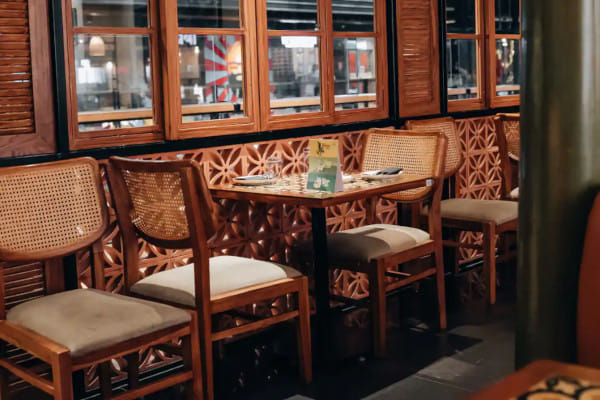
3. Three school friends starting a restaurant together. That’s either a great idea or a terrible one. Eleven years later, which was it?
In general, it could be the worst idea! Thankfully, in our case, it worked remarkably well. Dr Prem Kiran was largely a silent investor based in Kerala, while Thomas and I ran the business day to day. We had years of trust, shared history and a deep emotional connection to Kerala. That allowed us to be honest with each other in a way that may not have been possible between people who had come together only to start a business. We also brought complementary strengths to the table. Thomas led marketing, visibility and the front end, while I focused more on finance, compliance and back-end operations
A large part of Mahabelly’s recognition and brand recall came from the visibility Thomas created, and I will always give him full credit for that. That working relationship lasted for over a decade, which is no small feat in a high-pressure business-like restaurants. Of course, people and businesses evolve, visions change, and even strong friendships can be tested. Thomas has now retired from Mahabelly and moved on to the next chapter of his life. We part on good terms, with a lot of gratitude for everything he contributed to the brand. Today, I lead Mahabelly with my family and our larger team. The people involved may change, but the purpose remains the same. The same value system and commitment to serving Kerala food with heart continue. So, eleven years later, will I do it again? Absolutely. Was it always easy? Not necessarily.
4. If Mahabelly was a person walking into its own restaurant for the first time in 2015, what would surprise them most about who it has become?
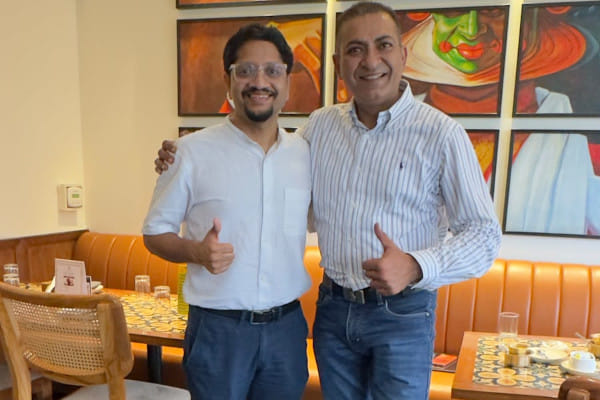
I think the 2015 version of Mahabelly would first be surprised that we are still here! We started with very little experience, modest resources and no real understanding of how demanding the restaurant business could be. I don’t think any of us imagined that Mahabelly would grow across multiple locations, serve lakhs of guests or become a family of around 170 people. But what would surprise it most is that Mahabelly has become something larger than a restaurant. For many Malayalis, it is tied to Onam, family meals, childhood memories and a sense of home. We now have guests whose weddings we catered years ago (who also happened to have their first date at Mahabelly!) returning with children who are almost teenagers. That kind of continuity is incredibly special. For others, Mahabelly has become their first real introduction to Kerala food and culture. So, the biggest surprise would not be the number of outlets or meals served. It would be the emotional place Mahabelly has found in people’s lives.
11 Years, 11 Lessons
5. What’s one belief about the restaurant business you held in year one that year eleven completely destroyed?
In year one, I believed great food was most of the restaurant business. By year eleven, I know it is only one part of it. You can serve excellent food and still fail if the rent is too high, costs are not controlled, procurement is inconsistent, the team is not trained or given room to grow, or cash flow is weak. A restaurant can be full every night and still lose money. I have also learnt that, over the long term, growth is not optional. If the business remains static while costs and inflation keep rising, it eventually gets left behind. Growth creates scale, stronger systems and, most importantly, opportunities for the people building the business with you. The real business is people, systems, consistency and numbers. Food gives a restaurant its heart. Operations and sustainable growth keep it alive.
6. Mahabelly has always leaned into “unglamorous” authenticity over polish. Toddy-shop food over fine-dining flourishes. Was that a strategy or a stubbornness?
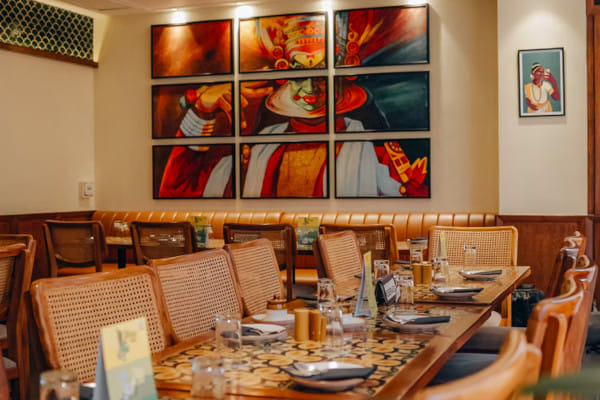
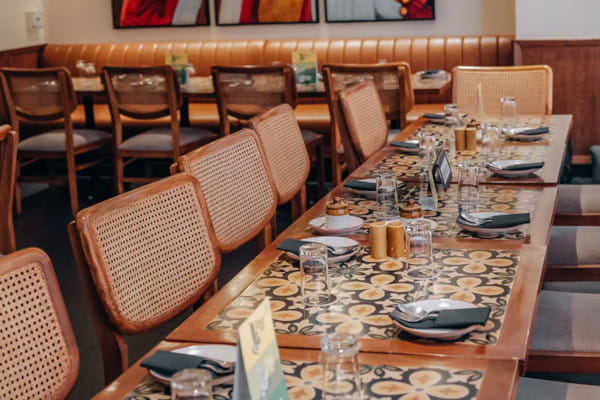
A little bit of both. We never wanted Mahabelly to become a caricature of Kerala, with forced rusticity or predictable cultural clichés everywhere. At the same time, we did not want to dress up the food so much that it stopped resembling what people actually eat in Kerala. There is something deeply honest about toddy-shop food, street food and home cooking. It is bold, direct and not trying too hard to impress you. Our stubbornness was in believing that dishes did not need to be made fancy to be worthy of a good restaurant. Our strategy was to present them in a way that felt contemporary, comforting and accessible. We wanted polish without pretension.
7. Every restaurant has the year, the one that nearly broke it and then made it. What was yours?
In our case, it wasn’t just one difficult year. We opened Mahabelly in 2015 with no hospitality experience, modest resources and a location tucked away at the back of a mall with very little visibility. Just as we began finding our feet, demonetisation hit in 2016, followed by the mall renovation in 2019 and then COVID from 2020 to 2022. But 2024 was probably the year that tested us the most. We had to move the original Mahabelly from its long-standing location, while the temporary outlet we opened in GK2 was incurring significant monthly losses and eventually had to be shut down. At the same time, we were trying to reopen and rebuild Mahabelly in Saket. The original locked-in location for our base kitchen also did not work out, so we had to rethink everything on the go. That led to the launch of Mahabelly Canteen in Saidulajab, a more casual, everyday format celebrating Kerala food and its Gulf influences, along with setting up a separate base kitchen in Lado Serai. Our team also grew almost overnight from around 60 to 150 people. All of this was completely bootstrapped, which put enormous pressure on the business.
There were moments when the easier option would have been to reduce our ambition, shut things down or accept that the brand had run its course. Instead, we chose to rebuild. Reopening Saket in December 2024 felt like the beginning of our second innings. It did not solve everything overnight, but it brought back belief within the team and among our guests. More importantly, it forced us to build Mahabelly differently, with proper systems, a head office and dedicated teams managing different functions, rather than everything depending on the founders. The biggest lesson was that resilience is not one dramatic comeback. It is rebuilding one problem at a time, often without knowing whether it will work, until the business becomes stronger than it was before.
8. What’s a decision you made for love of the cuisine that made zero business sense, and you’d make again anyway?
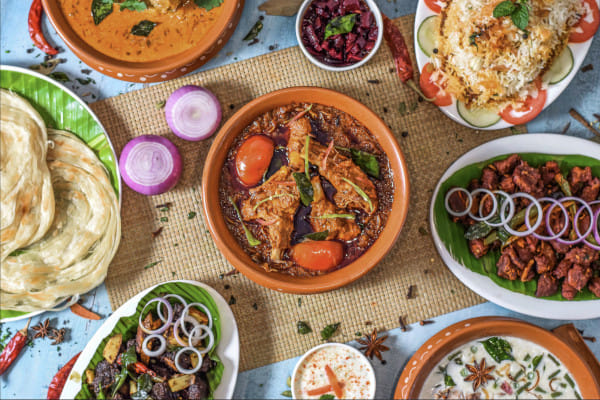
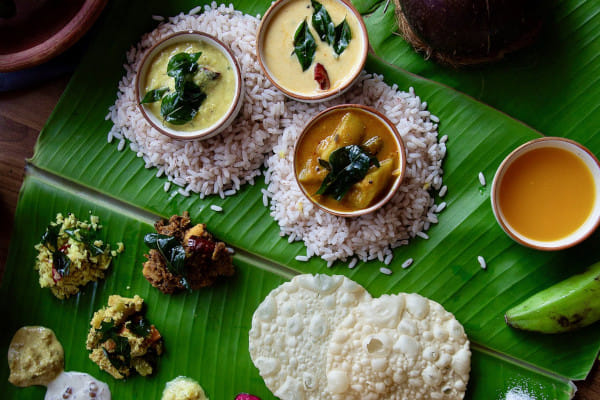
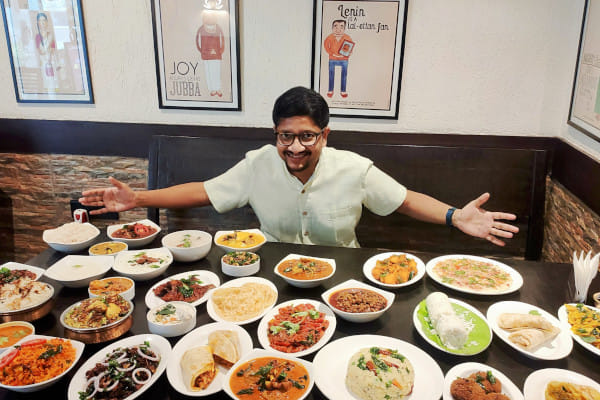
The Onam Sadhya. To be fair, it does make financial sense. Operationally, however, it is almost irrational. We prepare close to 25 dishes, many with a very short shelf life, each of which has to be stored, transported and served at the right temperature. Add tight service windows, enormous kitchen pressure and practically no room for error, and it becomes one of the most demanding things we do. We also deliver Sadhyas across Delhi, often in the middle of the monsoon, when one heavy downpour can bring the city to a standstill. Months of planning go into a meal that is ultimately served over just a few days. But Onam is not merely a commercial event for Mahabelly. It brings together everything the brand stands for: food, memory, culture and community. Every year, when we see families arriving dressed for Onam, Malayalis introducing the Sadhya to their friends, and children growing up with this tradition in Delhi, the madness feels completely worth it. It may not always make perfect operational sense, but it makes complete Mahabelly sense.
The Kerala on the Plate
9. If someone has never eaten Malayali food, what’s the one dish you’d put in front of them to change their life, and why that one?
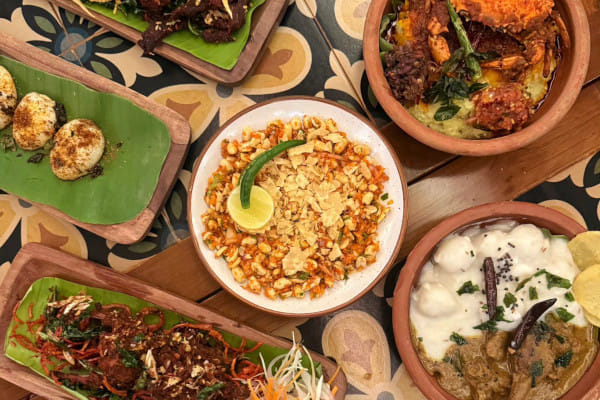
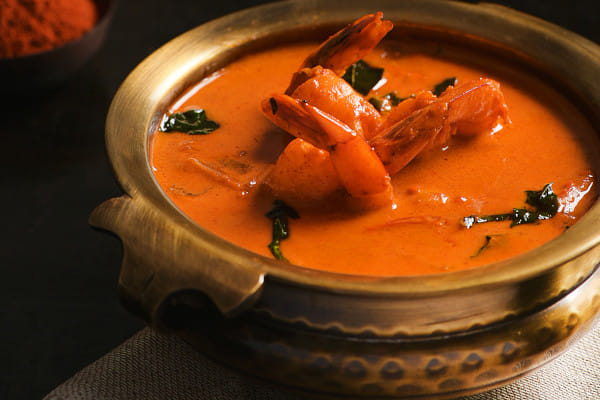
I would serve them appam with prawn mango curry, or pacha mango curry if they are vegetarian. A good appam is soft and slightly fermented, with delicate, crisp edges. The curry brings together coconut, raw mango, spice and, in the non-vegetarian version, the sweetness of prawns. It has that balance of richness, acidity and heat that Kerala cuisine does so beautifully. It is comforting without being ordinary, and layered without being intimidating. More importantly, it immediately shows that Kerala food is not simply another variation of the South Indian food they may already know.
10. Karimeen, Konju Pollichathu - Kerala’s cuisine is fearless in a way a lot of Indian food isn’t. What does that fearlessness mean to you personally?
Kerala food is not afraid of having a point of view. It is not afraid of coconut oil, sourness, heat, fermentation, bones, off-cuts, seafood or strong aromas. It does not always try to make itself universally acceptable. I think that reflects Kerala itself. Our food has been shaped by the sea, migration, religion, trade and cultural exchange. It has absorbed influences from many places but still retained a very distinct personality. Personally, that fearlessness reminds me that a brand does not have to dilute itself to become accessible. You can invite people in without removing everything that makes you different. Authenticity should welcome people, not apologise to them.
11. What’s the dish on your menu that guests are most wrong about?
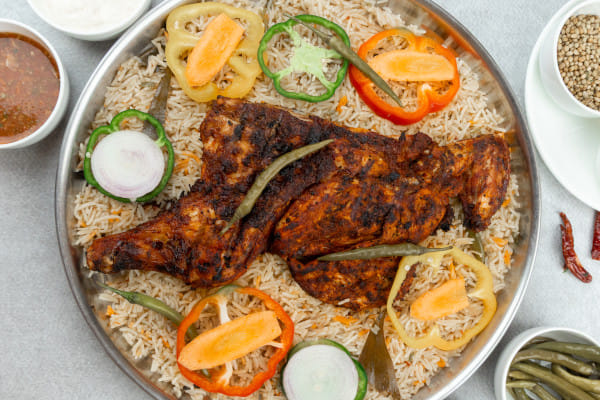
Malabar biryani. Many diners in Delhi come with a very specific idea of what biryani should be: long-grain basmati rice, heavy masala, strong colour and a certain level of richness. Malabar biryani is different. It uses short-grain kaima rice and is generally more fragrant, delicate and restrained. Because it does not look or taste like the biryani people are used to, they sometimes judge it by the wrong standard. Once they understand that it is not trying to be a Delhi, Lucknow or Hyderabad biryani, they begin to appreciate it on its own terms. It is a good example of the larger challenge with regional cuisine. Different does not mean incorrect.
12. Appam or Malabar parotta? And don’t dodge this one.
Porotta. Hands down. For Malayalis, porotta is not just food; it is a vikaaram, an emotion. A good Malabar porotta should be flaky, layered, crisp outside and soft within. Pair it with any curry or roast, or even just eat it alone, and it becomes pure comfort. Appam may be lighter and more versatile, but porotta has nostalgia, indulgence and drama. It is the one I would choose without thinking twice.
Building Without a Blueprint
13. You didn’t come from hospitality. What’s the best “outsider” decision you made that an industry veteran probably wouldn’t have?
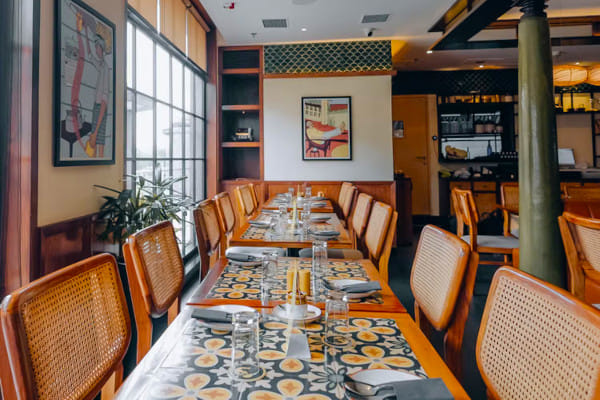
We treated Kerala not merely as a cuisine, but as an entire cultural world. From the beginning, Mahabelly used contemporary art, Malayali humour, pop-culture references, music and storytelling. We did not want it to feel like a formal cultural showcase, or look like every other regional Indian restaurant. An industry veteran may have advised us to simplify the menu, stick to familiar dishes and avoid asking too much of the customer. We took the opposite view. We believed people would be curious about unfamiliar food if it is presented warmly, explained well and served without pretension. Being outsiders made us naive in many ways, but it also gave us the freedom to question assumptions. Most importantly, we were fortunate to have the larger Malayali and local Delhi community rooting for us from day one. There was a genuine sense that people wanted this little underdog brand to succeed, and we remain deeply grateful for that support.
14. Delhi already had South Indian food on lock when you started. How did you convince a market that didn’t know it was hungry for Kerala specifically?
We did not try to convince people through lectures. We let the food do most of the work. We started with dishes that were approachable enough to draw people in, such as appam and stew, Malabar biryani, fish curry and porotta. Once guests trusted us, they became more willing to explore. The other important part was storytelling. We explained that Kerala food is not one cuisine. It carries the traditions of the coast, Syrian Christian homes, Malabar Muslim kitchens, temples, toddy shops, street food and centuries of connection with the Gulf. For Malayalis, the emotional connection was immediate. For non-Malayalis, curiosity gradually became loyalty. People may arrive because something is new. They return only if it is good.
15. What’s a piece of feedback, good or brutal, from a guest that changed how Mahabelly runs?
The most important feedback we have received over the years has been about consistency. Guests may forgive an occasional delay or service issue, but they find it much harder to accept when a dish they love tastes different from one visit to the next. The food has to taste the same during a packed Sunday lunch as it does on a quiet Monday morning. That made us realise that a great recipe in the head chef’s hands was not enough. It could not depend on one person being present, or on individual judgment on a particular day. We had to document recipes, strengthen training, conduct regular kitchen audits and build systems that could deliver the same experience consistently across teams and outlets. The greatest compliment we still receive is, “This tastes like home.” But that compliment also comes with a responsibility. Home cannot taste different every week.
The Next 11
16. If Mahabelly at 22 years looks nothing like Mahabelly at 11, what’s the one thing about it that must never change?
The emotional honesty of the food. Formats can change. Menus will evolve. We may enter new cities, build new brands, create packaged products or use technologies that we cannot imagine today. But the food must still carry a recognisable memory of Kerala. A Malayali should continue to feel that the dish has been made with respect, and someone unfamiliar with the cuisine should feel welcomed rather than excluded. If growth ever removes the warmth, honesty or sense of home, then it is not the right kind of growth.
17. From Delhi to Gurgaon and Sonipat, Mahabelly has gradually expanded its footprint. Where does the map go next?
The immediate priority is to strengthen what we already have across Delhi NCR and Sonipat before chasing dots on a map. I have learned that opening outlets is easier than building a strong organisation behind them. We want the systems, leadership and unit economics to be ready before we expand aggressively. Eventually, the map should follow both the Malayali diaspora and cities that are increasingly curious about regional Indian food. North India remains a huge opportunity, and beyond that, I would love to see Mahabelly travel outside India. The goal is not to be everywhere quickly. It is to be remembered wherever we go.
18. What’s the Mahabelly dream you haven’t said out loud yet?
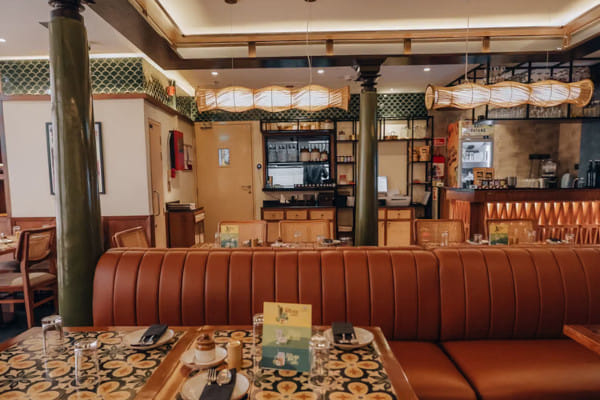
To see people with no connection to Kerala queue up for Kerala food in a global city. Not because it is exotic or fashionable, but because they genuinely understand and love it. I would like Mahabelly to become much more than a restaurant chain. It could be restaurants, casual formats, catering, packaged food, cultural experiences, festivals, content and collaborations, all connected by one purpose. The larger dream is for Mahabelly to become a cultural ambassador for Kerala cuisine. Punjabi, Italian, Japanese, Thai and Korean cuisines have travelled through powerful brands and storytelling. Kerala food deserves that scale of recognition too.
19. Onam has become inseparable from Mahabelly. When did you realise the Sadhya had become bigger than an annual restaurant event?
I think we realised it had become bigger than a restaurant event when guests began asking us for the Sadhya dates even before we had announced them. This year, it will be served from 24th to 27th August across all our outlets, with dine-in, takeaway and delivery options. For many Malayali families in Delhi, celebrating Onam at Mahabelly has become an annual tradition. We see the same guests returning year after year, now with children, friends and colleagues. We also see more non-Malayalis experiencing their first Sadhya and then returning the following year with larger groups. Last year, we served close to 2500 Sadhyas, but the scale is not what makes it special. It is seeing people dress up for Onam, families take photographs together, parents explain each preparation to their children, and Malayalis introduce a part of their culture to friends from elsewhere. That was when we understood that the Mahabelly Sadhya was no longer just something on our festive calendar. It had become a small piece of Onam in Delhi, a space for memory, community and belonging.
20. Why did you create Mahabelly Canteen, and what does Kerala’s relationship with the Gulf mean to the brand?
Mahabelly Canteen came from the belief that Kerala food should not always feel like an occasion. We wanted a younger, more casual format built around everyday meals and the food Malayalis actually crave regularly. It also celebrates Kerala’s relationship with the Gulf. Almost every Malayali family has a Gulf story, and that movement of people has transformed what Kerala eats. Al Faham, Shawai and Shawarma came from elsewhere, but Kerala has made them its own.
21. Lastly, how has your experience with EazyDiner been?
EazyDiner has been part of the Mahabelly journey almost from the beginning. In fact, one of our first business meetings after opening in 2015 was with the EazyDiner team. For a new restaurant with limited visibility, platforms like EazyDiner played an important role in helping guests discover us, make reservations and take a chance on a relatively unfamiliar regional cuisine. Over the years, the relationship has naturally evolved along with both brands, but the warmth and accessibility have remained.
Rapid Fire
One word Delhi diners always get wrong about Kerala food:
“South Indian!” Not because it is wrong geographically, but because it is far too broad to explain anything.
The toddy-shop dish everyone should try before they die:
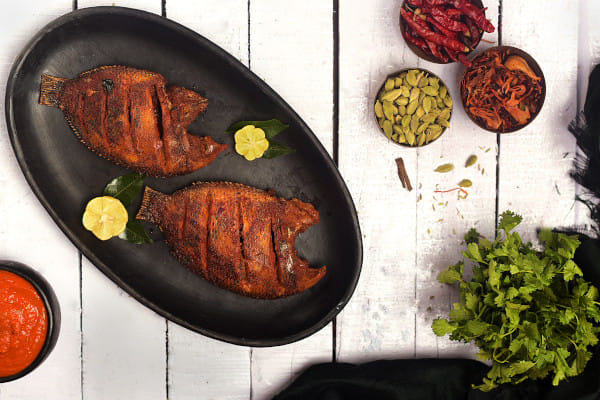
Karimpinkala-style karimeen pollichathu, inspired by the legendary toddy shop in my hometown: pearl spot coated in masala, wrapped in a banana leaf and steamed, served with flaky porotta. Messy, bold, unapologetic and completely worth it.
Your last meal on earth, Mahabelly edition:
Appam with prawn mango curry, our latest kizhi biriyani, and ada pradhaman payasam to finish. It is my last meal, so I am not counting calories or courses!
Finish the sentence: “Eleven years in, I’ve finally learned that hospitality is ___.”
Making people feel cared for, especially when things do not go according to plan.
From The Editor’s Table
My recommendations: Five dishes that best capture Mahabelly’s celebration of Kerala cuisine, from comforting staples to bold coastal flavours:
Appam with Prawn Mango Curry: A natural starting point for exploring Mahabelly, pairing soft, fermented rice appams with its signature curry of prawns, raw mango, coconut milk and Kerala spices.
Karimeen Pollichathu: A Kerala classic where pearl spot is marinated in a fragrant spice mixture, wrapped in banana leaf and cooked to let the flavours deepen. It captures the coastal character that runs through the cuisine
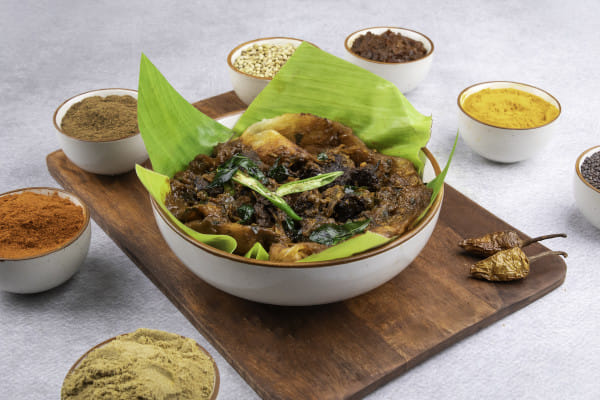
Malabar Porotta with Mutton Varattiyathu: Flaky, layered porotta meets a richly spiced Kerala-style mutton preparation, making this an indulgent combination that speaks to Mahabelly’s love for hearty, everyday regional food.
Puttu with Kadala Curry: A comforting Kerala staple of steamed rice-and-coconut puttu served with black gram curry. Simple, wholesome and deeply rooted in the cuisine’s home-style traditions.
Payasam of the Day: A fittingly sweet way to end the meal, with the day’s payasam showcasing the comforting, traditional dessert-making of Kerala.
Written By

A hotelier and restauranteur with more than two decades of experience in the F&B and Hospitality industries, Sachin Pabreja is Co-founder of EazyDiner, India’s only instant table reservation platform. He is passionate about changing the landscape of the Indian F&B industry. Prior to EazyDiner, Sachin worked at The Imperial, Grand Hyatt as well as Claridges Hotel in New Delhi and remains focussed and committed to creating innovative and exceptional products in the F&B and Hospitality industries.