
Tête-À-Tea With Sachin Pabreja: Amrut Mehta On Building Little Italy Without Compromising Its Essence
The Director reflects on pioneering vegetarian Italian cuisine and preserving hospitality at the heart of a 35-year legacy
23 Jun, 2026 by Sachin Pabreja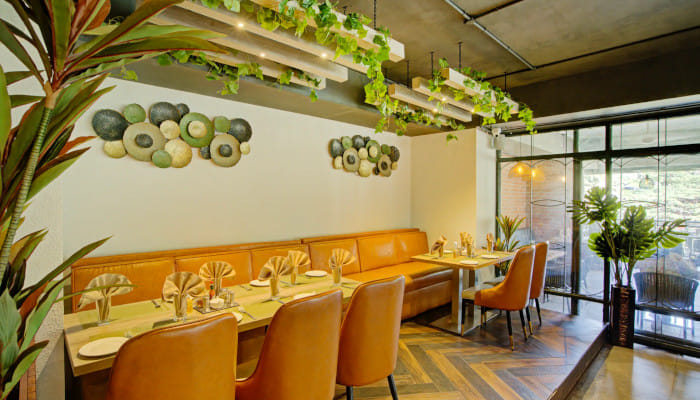
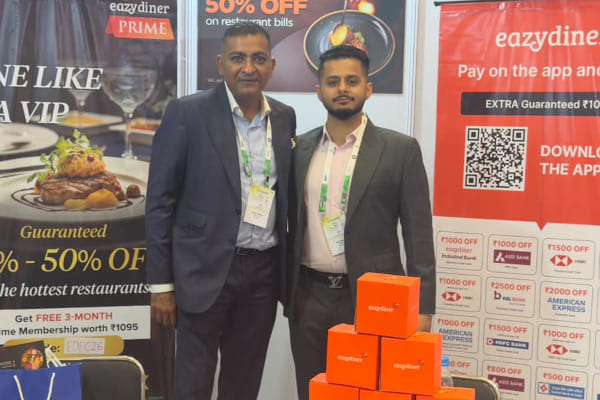
In this edition of Tête-à-Tea, Sachin Pabreja sits down with Amrut Mehta, Director of Little Italy, one of India's most enduring and influential restaurant brands. From pioneering vegetarian Italian dining in a market that barely knew the cuisine to building a presence across more than 25 cities, Mehta reflects on the vision, discipline, and hospitality philosophy that shaped the brand's 35-year journey. The conversation explores growth, authenticity, changing consumer tastes, and what it takes to scale a restaurant business without losing its soul. Thoughtful, candid, and insightful, it offers a rare look inside the making of a modern Indian dining institution.
1. Every restaurant that endures has a founding myth - a moment when someone decided the world needed this particular thing in this particular place. What was yours with Little Italy, and were you right?
In 1989, my father, Raj Mehta, saw a clear gap in the Indian dining landscape. At the time, diners looking for premium vegetarian dining options had very limited choices, particularly in the fine dining segment. Vegetarian guests were often treated as an afterthought, with menus and experiences largely designed around non-vegetarian offerings.
At the same time, he recognised that Indian consumers were becoming increasingly curious about global cuisines and looking for dining experiences beyond traditional formats. He believed there was an opportunity to introduce authentic Italian cuisine through a vegetarian lens - one that celebrated fresh ingredients, artisanal preparation, quality produce, and warm hospitality.
What started as a restaurant was really an effort to give vegetarian diners the same sophistication, variety, and sense of occasion that existed elsewhere in the world. It was a bold idea at a time when Italian cuisine itself was still relatively unfamiliar in India.
Over the last 35 years, Little Italy has grown from a single restaurant in Pune into one of India's most recognised Italian dining brands. More importantly, we've seen generations of families discover, celebrate, and fall in love with Italian food through our restaurants. Looking back, we didn't just identify a gap in the market - we helped create a category and played a small role in making Italian cuisine a part of everyday Indian dining culture. I think the market ultimately answered the question for us: the belief was right, and perhaps a little ahead of its time.
2. What were you correcting for?
At the time, Italian food in India was often reduced to generic continental cuisine. Authenticity, ingredient quality, and specialisation were missing. We believed Italian food deserved the same respect that Chinese or Indian regional cuisines received. Our goal wasn't to reinvent Italian food - it was to represent it honestly, while making it approachable for Indian diners.
3. Did you start with the food or the room?
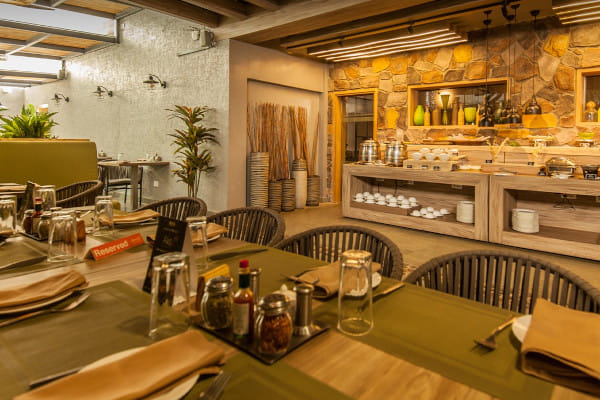
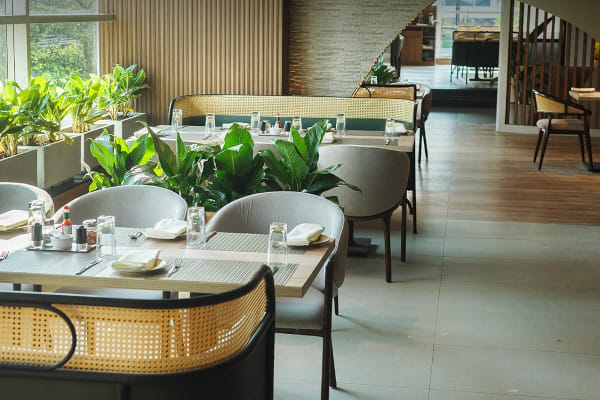
The food starts the conversation, but the room determines whether the guest wants to stay. Little Italy was always designed around hospitality first. People remember how a place made them feel long after they've forgotten what they ordered. That principle remains unchanged today.
4. Who did you picture walking through that door?
Curious diners. People are willing to try something different. What surprised us was how broad that audience became. Families, students, business executives, grandparents, and children - Italian food turned out to be one of the most democratic cuisines in the world.
5. What was the most humbling lesson a Tier 2 or Tier 3 city taught you?
Never underestimate the customer. We often assume sophistication belongs only to metropolitan cities. Some of our most knowledgeable, loyal, and discerning guests have come from Tier 2 and Tier 3 markets. They taught us that aspiration travels much faster than infrastructure.
6. What have you refused to change?
We've adapted formats, store sizes, and local marketing. What we've never compromised on is product integrity. We remain a vegetarian Italian brand. We remain committed to quality ingredients. We remain committed to hospitality over transaction. If those change, it stops being Little Italy.
7. Which customer is harder to earn and harder to keep?
Tier 1 customers are harder to impress because they have endless alternatives. Tier 2 and Tier 3 customers are harder to disappoint because relationships matter more. Earning trust is difficult in metros; maintaining trust is difficult everywhere.
8. Mall in Pune vs High Street in Raipur?
The fundamentals don't change. Great food, warm service, consistency. What changes is how people use the space. A mall restaurant serves a different mission than a neighbourhood restaurant. The guest journey changes. The soul shouldn't.
9. How do you ensure the same soul everywhere?
Culture before systems. Recipes can be documented. Hospitality cannot. We invest heavily in training, central manufacturing, audits, and quality controls, but the real differentiator is creating teams that genuinely care about guests. That's what travels between cities.
10. What broke first as you scaled?
Communication. Every growing company believes information is flowing until it isn't. As we expanded, we realised consistency wasn't a culinary challenge - it was an organisational one.
11. How many cities are you truly in?
We're present in over 25 cities, but belonging is different from operating. A restaurant belongs when it becomes part of people's memories - birthdays, anniversaries, first dates, family celebrations. That's the metric we care about.
12. Who holds the palate?
Historically, it was my father. Today, it's institutional knowledge. We've spent decades converting instinct into systems, recipes, training modules, and manufacturing standards. A brand becomes scalable when excellence stops depending on one individual.
13. What's the rate-limiting factor?
Talent. Capital can be raised. Locations can be leased. Great hospitality professionals are far harder to find and develop. Restaurants are ultimately people businesses.
14. When did it become a system?
The moment we opened multiple cities simultaneously. The challenge wasn't becoming a system - it was ensuring the system didn't remove the humanity. The goal is always to industrialise consistency without industrialising hospitality.
15. Is the name Little Italy a problem or a freedom?
Both. In some cities, guests understand the reference immediately. In others, they create their own meaning. That's the beauty of brands. Over time, the name stops describing a place and starts describing an experience.
16. What is non-negotiable?
Warm hospitality. You can update menus. You can redesign interiors. But every guest should leave feeling genuinely welcomed. That's the one thing that must exist in every Little Italy.
17. What is this restaurant trying to be?
A place where great Italian food and genuine hospitality make people feel at home, regardless of which city they're in.
18. Does restraint scale?
I think restraint becomes more valuable as markets mature. Trends come and go. Simplicity lasts. The challenge is helping customers appreciate quality rather than complexity. That's an education process as much as a culinary one.
19. What does your menu say?
It says we believe our guests are curious. It says we trust them enough to introduce new dishes while respecting the classics they return for. That balance has evolved, but the philosophy hasn't.

20. What does Little Italy assume about its guests?
That they're looking for more than a meal. They're looking for an occasion, however small. Even a casual dinner carries emotional significance for someone.
21. Discovery versus routine?
The first generation came to discover Italian food. The second generation comes for nostalgia. Today, we have families where grandparents introduced parents who introduced children. Our responsibility is serving both memory and innovation simultaneously.
22. Being someone's first Italian restaurant?
We're very conscious of it. In many cities, our restaurant becomes the benchmark through which guests understand Italian cuisine. That's a privilege and a responsibility. It influences everything from menu design to staff training.
23. Is there a guest you've failed to reach?
Younger urban consumers who seek experiences as much as food. That's partly why we're building the next generation of concepts and evolving Little Italy itself. Every brand must earn relevance repeatedly.
24. A genuine failure?
Assuming what worked in one market would automatically work in another. Expansion teaches humility very quickly. Every city deserves to be understood before it is served.
25. What are you still figuring out?
How to honour a 35-year legacy while remaining culturally current. Reinvention is easier than preservation. The challenge is doing both at the same time.
26. What would a critic find?
I hope they'd find authenticity, consistency, and warmth. What keeps me up at night is the pursuit of excellence. Hospitality is unique because perfection isn't a destination; it's a daily commitment.
27. What is the sentence that describes what you built?
"Little Italy helped make Italian cuisine a part of everyday Indian life, transforming it from an occasional novelty into a cuisine that families across India could call their own."
From The Editor's Table
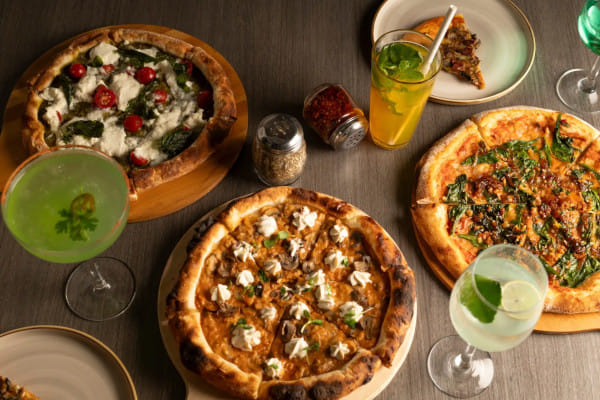
My recommendations: five standout dishes that best capture Little Italy's signature vegetarian Italian experience:
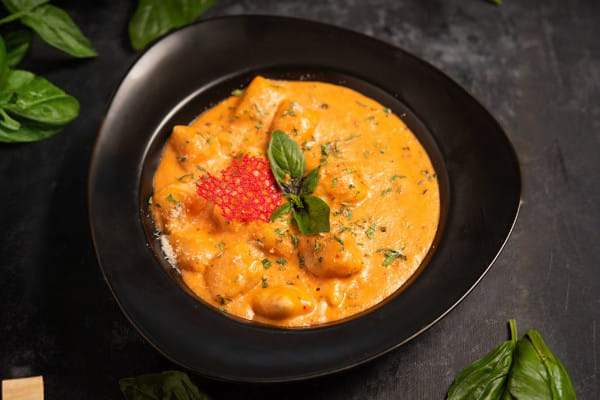
• Pasta Barbaresca: One of the restaurant's most-loved pastas, featuring broccoli, tomatoes, garlic, and cream in a rich, comforting sauce.
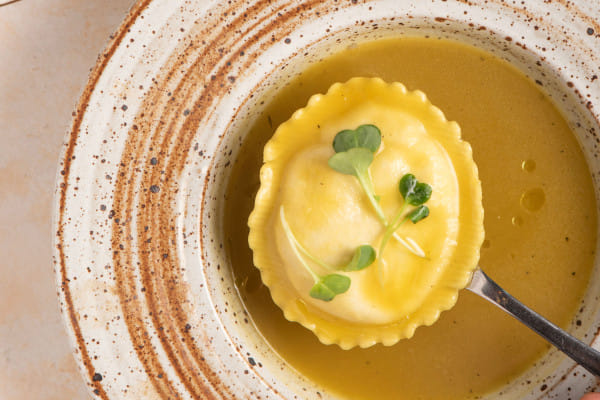
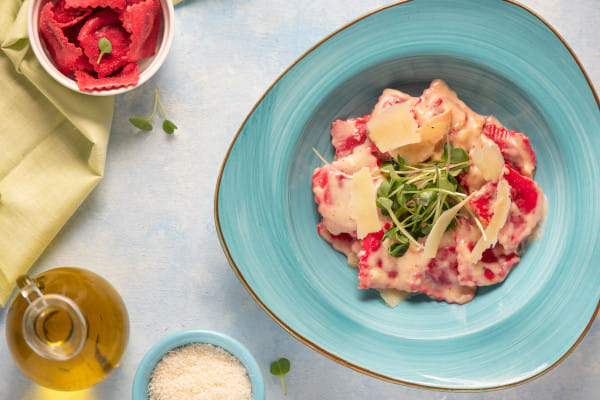
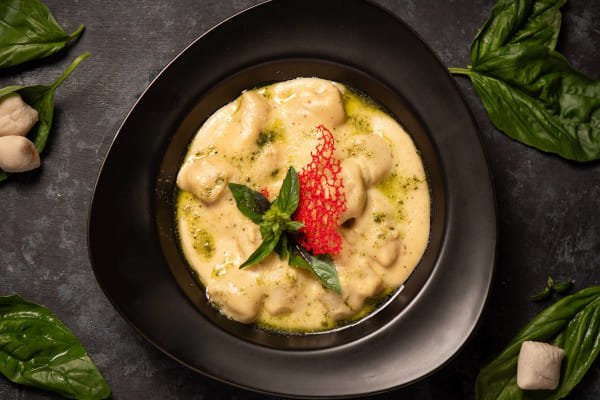
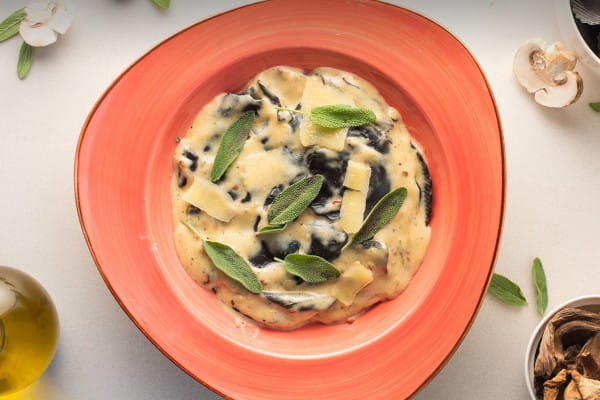
• Ravioli Nero Al Funghi Selvatici: Striking black ravioli stuffed with wild mushrooms and served in a flavourful cream sauce that's both elegant and indulgent.
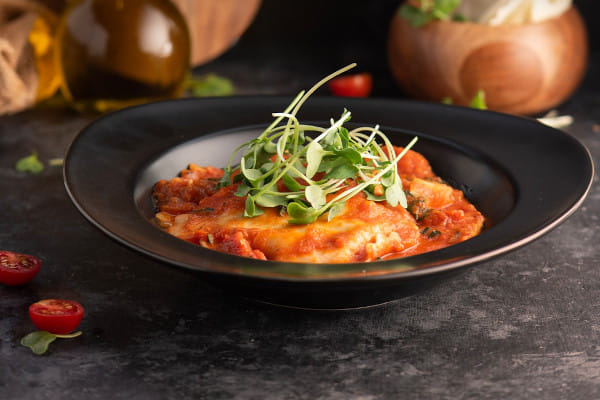
• Lasagne Alle Verdure: Layers of house-made pasta, vegetables, mozzarella, and béchamel come together in this timeless Italian classic.
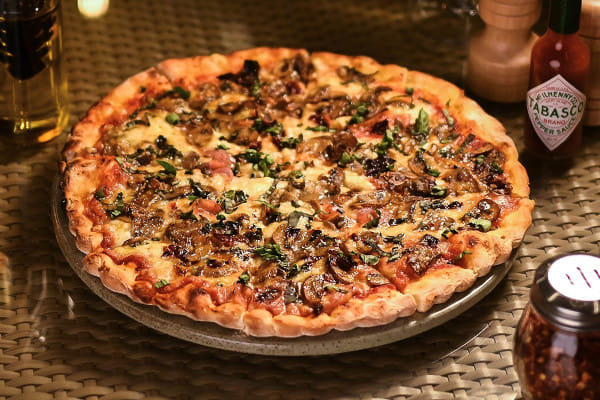
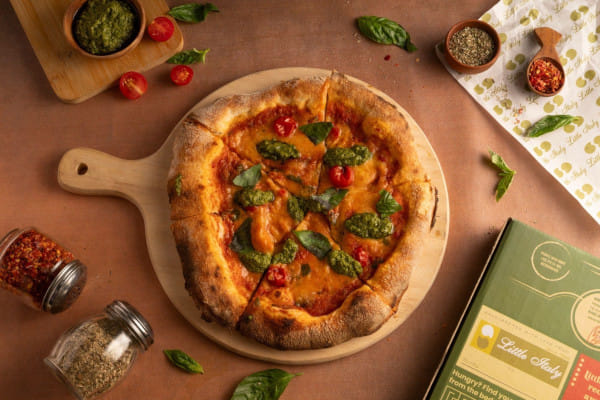
• Sicilia Pizza: A long-standing favourite that showcases Little Italy's knack for balancing fresh ingredients with bold Italian flavours.
• Tiramisu Italiano: Their take on the iconic Italian dessert delivers delicate layers of mascarpone and sponge cake for a perfect sweet finish.
Written By

A hotelier and restauranteur with more than two decades of experience in the F&B and Hospitality industries, Sachin Pabreja is Co-founder of EazyDiner, India’s only instant table reservation platform. He is passionate about changing the landscape of the Indian F&B industry. Prior to EazyDiner, Sachin worked at The Imperial, Grand Hyatt as well as Claridges Hotel in New Delhi and remains focussed and committed to creating innovative and exceptional products in the F&B and Hospitality industries.