
Tête-À-Tea With Sachin Pabreja: Ishita Yashvi On Building Plus Nine One’s Global Indian Narrative
The co-founder shares how storytelling, comfort, and global influences shape her restaurant’s reimagining of Indian cuisine for the modern diner
04 May, 2026 by Sachin Pabreja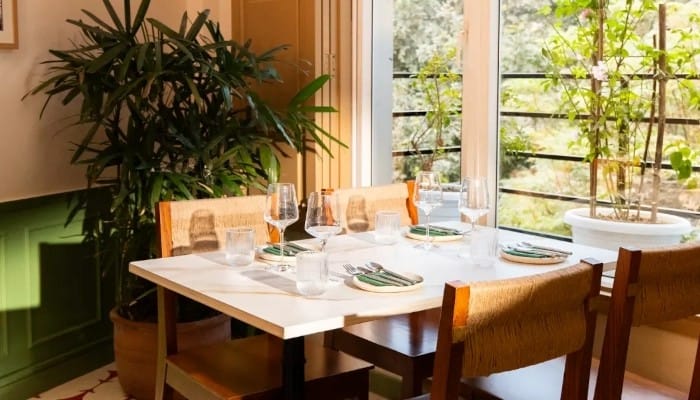
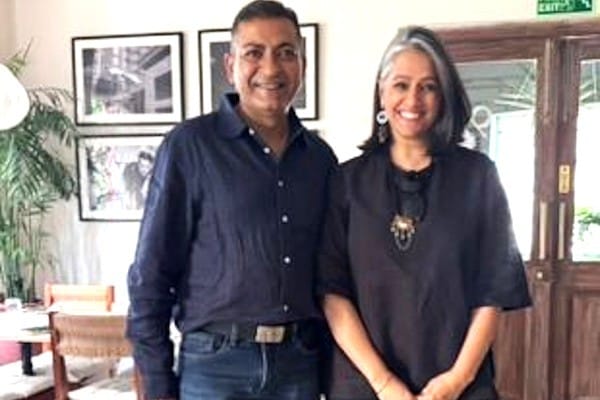
In this conversation, Ishita, co-founder of Plus Nine One and Figure Eight Foods, unpacks the thinking behind her restaurant that reimagines Indian cuisine through a more contemporary lens. Positioned as “Global Indian for the modern Indian,” Plus Nine One draws from the breadth of the subcontinent while embracing global techniques, ingredients, and ideas, creating a menu that feels rooted in familiarity yet refreshingly unexpected. Ishita also talks about the philosophy behind the name and the balance of storytelling and operations. She further reflects on building comfort into the food, the space, and the service, while gently reshaping how Delhi dines today.
1. How did the idea for Plus Nine One come to life, and what personal or professional experiences shaped it?
The idea for Plus Nine One was born from a simple observation - while food globally has always travelled, adapted, and evolved, Indian cuisine in cities like Delhi has largely remained boxed into rigid categories like North Indian, Mughlai, or even Modern Indian. We felt there was space to break that structure. At Plus Nine One, the intention was to reimagine Indian food without boundaries, drawing from the length and breadth of the subcontinent and pairing it with global techniques, ingredients, and perspectives. The result isn’t fusion in the traditional sense, but a more fluid, contemporary expression of Indian cuisine. Each dish is designed to feel familiar yet unexpected; something that resonates but also surprises. We don’t position ourselves as Modern Indian. We see ourselves as Global Indians for the modern Indian.
2. Why did you choose the name “Plus Nine One”? Was there a particular story or emotion behind it?
The name Plus Nine One comes from India’s country code, but for us, it represents something far larger than geography. Today, India and its people are actively shaping global conversations across culture, business, and increasingly, food. Indian cuisine is no longer confined to its place of origin; it travels with its people, evolves with their experiences, and finds new expressions across the world. There’s a saying: you can take an Indian out of India, but you can’t take India out of an Indian. That idea sits at the heart of our name and our menu. At Plus Nine One, we explore how Indian flavours “dial into” the rest of the world, absorbing global techniques, ingredients, and influences, and how those experiences “dial back” home in new, unexpected ways. The restaurant is our interpretation of how a new generation of Indians, globally exposed, culturally rooted, may eat today. +91, then, is more than just a country code. It’s a symbol of India's connection with the world.
3. How has your background in communications (and your partner’s / chef’s background) influenced the way you’ve built this restaurant?
My background in marketing and communications has played a defining role in shaping Plus Nine One as a brand. Having spent close to two decades in retail marketing and communications, I’ve learned how to build narratives that are both distinct and consistent. And that thinking carries through everything we do, from the menu language to the overall guest experience. It also naturally extends into how I approach front-of-house operations across our brand portfolio. My co-founder, Mayank, brings a completely different lens. With over two decades in investment banking and finance, he has been instrumental in building the operational and technological backbone of the business, strengthening our infrastructure, streamlining supply chains, and enabling us to scale with intent. Together, our contrasting backgrounds have become our advantage. One grounds the brand in storytelling and experience, while the other ensures it is built on a robust, future-ready foundation.
4. How would you describe Plus Nine One’s “voice” in one sentence? What do you want guests to feel when they walk in?
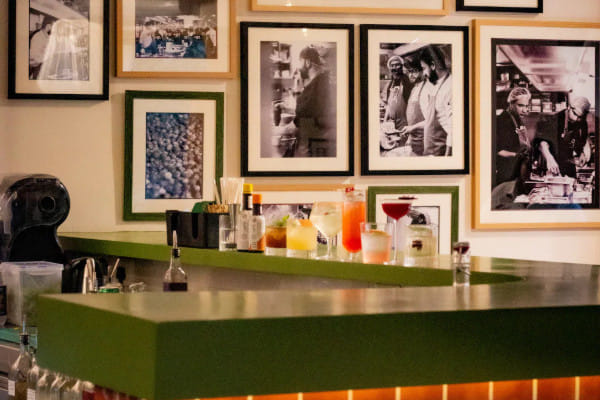
At Plus Nine One, our voice is simple: come as you are, stay as long as you like - this is Global India on your plate: casual, clever, and comfortingly familiar. We want our guests to feel instantly at ease the moment they walk in. The space, the food, and the bar are all designed to invite conversation, not overwhelm it.
5. You’re described as walking a “middle path” between familiar Indian flavours and global techniques. Can you walk us through how that shows up on the menu?
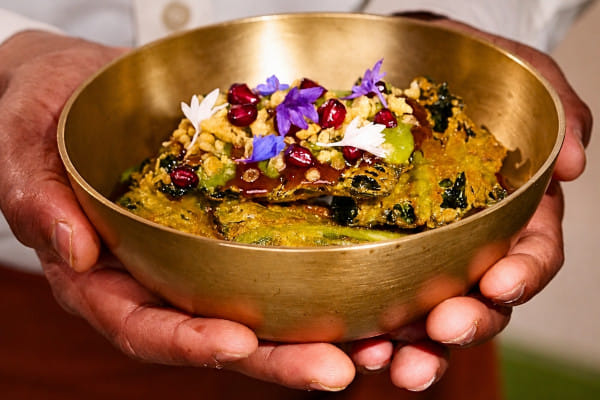
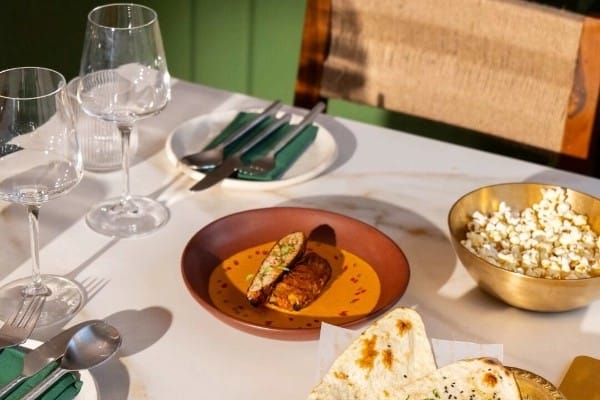
At Plus Nine One, the idea of walking a “middle path” comes alive through dishes that feel rooted yet reimagined. A great example is our Half Rotisserie Tandoori Chicken. At its core, it draws from a flavour Delhi knows and loves, which is the classic Mughlai tandoori. But instead of presenting it in a traditional format, we reinterpret it through a more global lens. The chicken is prepared as a rotisserie chicken, with skin brined and then sent to the tandoor. Finally, it’s paired with a beurre blanc, a classic French sauce that forms the base of the dish and is garnished with warm butter. It’s an unexpected combination, but one that works intuitively. You get the familiarity of the spices, balanced with a richness and technique that feels new. That’s essentially how our menu operates - taking something you already understand, and presenting it in a way that surprises you, but still feels deeply satisfying.
6. Which dish is the most Ishita / partner DNA on the menu, and why?
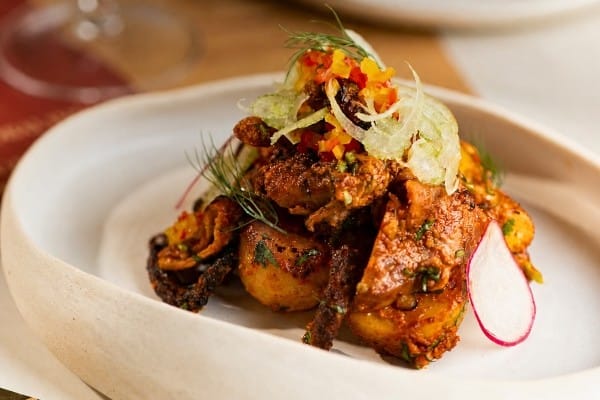
At Plus Nine One, two dishes that really reflect the brand DNA are the Tandoori Octopus and the Kadhi Kachori Wellington. The Tandoori Octopus is a great example of how we like to push familiar techniques into new territory. Cooking octopus in the tandoor gives it a beautiful char and smokiness, while it’s paired with baby potatoes, fennel, and radish to balance texture and freshness. On the other hand, the Kadhi Kachori Wellington is a more playful reinterpretation. It takes something deeply rooted in Indian comfort and reimagines it through global formats, served with an aguachile kadhi and a Spanish salad. It’s unexpected, but still very recognisable at its core. Both dishes capture what we enjoy doing most, that is, creating food that travels across borders while staying anchored in its origins.
7. Take us behind the scenes of a signature dish, say the Bird Seekh or the Ossobuco Nihari. What inspired it, and what was the biggest technical challenge?
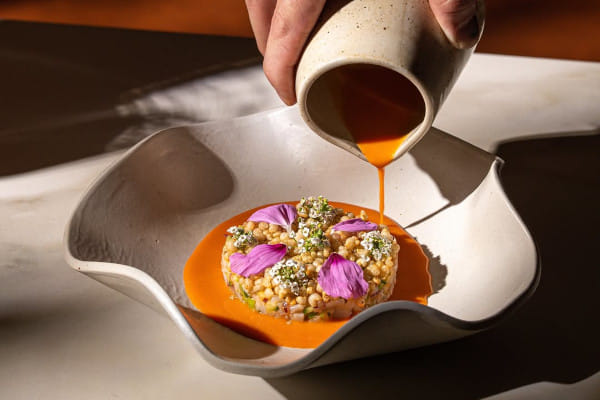
The Ossobuco Nihari is one of our most technical dishes and also one of the most rewarding. The inspiration really came from the cut itself. Ossobuco is a delicate cross-sectional cut, which means the bone marrow sits at the centre, which is a key ingredient that lends the most recognisable texture to a Nehari’s Sauce. The challenge, however, lies in handling that cut while cooking it. Unlike a traditional Nihari, cooking ossobuco for a long duration is not possible without it disintegrating. So the process is deliberately meticulous. The meat is brined on the first day, gently braised on the second, and finally rested and served on the third. Every stage is about preserving the integrity of the cut while building flavour. The end result is a dish where the meat is tender enough to fall off the bone, yet still holds its form -and the marrow brings everything together in a way that feels both familiar and elevated.
8. How do you balance “inventive” or “progressive” Indian food with what a Delhi audience is comfortable with?
At Plus Nine One, “comfort” is non-negotiable; it sits at the core of every dish we serve. While the menu may feel inventive or progressive, we’re careful to ensure that familiarity is never lost in the process. Every dish is anchored in flavours, textures, or formats that a Delhi audience instinctively understands. Innovation, for us, is about evolution, not disruption for the sake of it. We’re not trying to challenge comfort, but to build on it, so even the most unexpected dishes still feel intuitive, satisfying, and easy to come back to.
9. How do the three chefs’ individual styles (Alexander Gedo, Himanshu Meena, Zoheb Qureshi) come together on the menu?
Chef Alexander Gedo, after working in a celebrated three-star Michelin restaurant, Eleven Madison Park, NY, had travelled from Los Angeles (his home town) to add a global flair to the menu. While for Chef Himanshu Meena, it’s a homecoming after ten years away from Delhi (his hometown), working in Michelin Kitchens in Europe & the Cayman Islands, like Boury, Belgium. The chef trio comes together with Chef Zoheb Qureshi, ex-Head Chef at Dum Dukht in ITC Maratha - he’s the custodian of authentic Indian-Awadhi cuisine with a long line of legacy behind him.
10. Plus Nine One is described as casual dining with a warm, home‑like feel. How did you design the space to match the food?
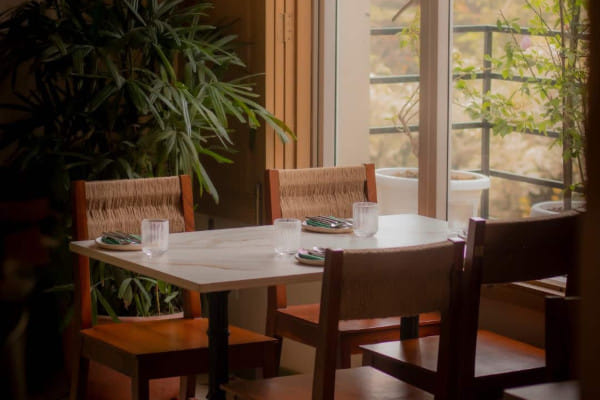
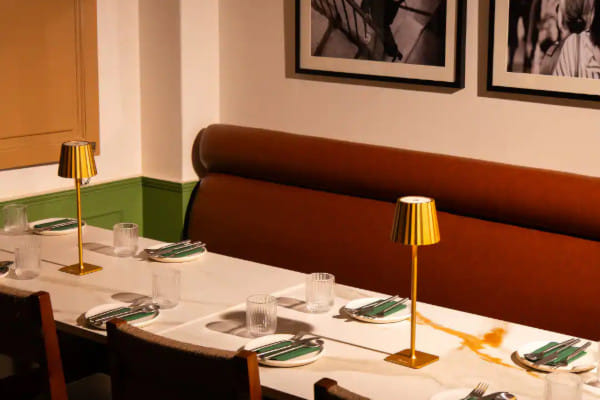
At Plus Nine One, the space was designed to mirror the same philosophy as the food - easy, intuitive, and layered with detail. We wanted it to feel breathable, welcoming, and quietly removed from the city’s density. The idea was to create an environment where guests can slow down, settle in, and stay awhile, without it ever feeling formal or intimidating. If you look closely, the interiors also echo our Global Indian lens. There are subtle cross-cultural influences in textures, materials, and design elements, nothing overt, but enough to create a sense of familiarity with an undercurrent of discovery, much like the menu itself.
11. Were there any non‑negotiables for you in terms of ambience, material choices, or overall vibe?
We never wanted it to feel formal, intimidating or overwhelming at any point.
12. How do you want first‑time guests to experience the restaurant versus regulars?
At Plus Nine One, we see first-time guests and regulars as being on the same journey, just at different points of discovery. For someone visiting us for the first time, we want the experience to feel instantly comfortable and intuitive. Even if the dishes are new or unexpected, there’s always a sense of familiarity that makes the menu easy to navigate. It’s about easing them into our world without overwhelming them. For our regulars, the experience becomes more layered. There’s a sense of curiosity and trust; they come back to explore deeper, try newer interpretations, and engage more closely with the menu and the team. In a way, first-time guests find comfort, and regulars find discovery.
13. You’ve mentioned that Delhi remains more conservative in its food choices than Mumbai or Bengaluru. How does that shape your approach in Delhi versus other markets you’ve worked in?
We’ve tried to ensure that Delhi finds its comfort factor in all our dishes.
14. What do you think Delhi diners are ready to try that they might not even know yet?
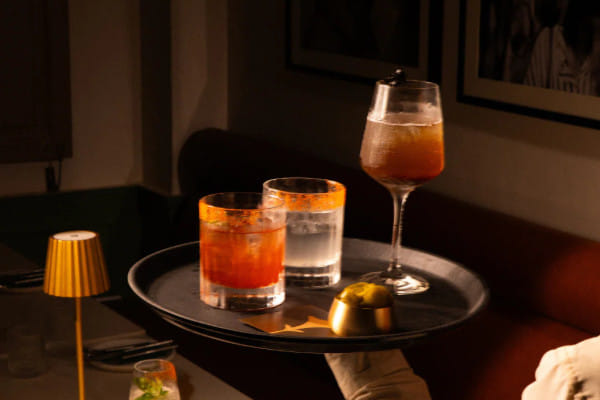
Our cold bar.
15. Can you walk us through a moment in your career that made you realise you wanted to build something like Plus Nine One?
For us, the turning point wasn’t a single moment, but a series of experiences - especially through our travels. We saw how Indian food, outside of India, is undergoing a fascinating evolution. Chefs globally are pushing boundaries, reinterpreting Indian flavours with creativity, confidence, and a strong point of view. There’s a certain freedom in how Indian cuisine is being expressed internationally. What stayed with us was the contrast; we felt that this kind of evolution wasn’t as visible in our own city. That realisation became the quiet catalyst behind Plus Nine One. It sparked the idea of creating a space that brings that same sense of movement, openness, and reinterpretation to Indian food, right here at home.
16. What’s one myth or stereotype about Indian restaurants that you’re trying to quietly break here?
It doesn’t need to be intimidating or gimmicky to be taken seriously, and it doesn’t need to lose its depth to feel easy.
17. How do you see Plus Nine One evolving in the next 2–3 years? Any new formats, formats‑like‑supper‑club ideas, or menus you’re itching to try?
At Plus Nine One, evolution is constant - we’ve already introduced several new additions since launch, and the menu will continue to shift with the seasons. Beyond the food, a big focus for us over the next 2-3 years is building a stronger sense of community around the restaurant. We’re actively working on formats that bring people together in more intimate and engaging ways, whether that’s smaller, experience-led gatherings, collaborative menus, or chef-driven interactions. Our bar program is also an exciting space for us, with curated events and experiences in the pipeline that extend beyond just dining.
18. How do you and your partner divide the “creative” and “business” sides of the restaurant? What’s your dynamic like in the kitchen vs. the boardroom?
We come from very different professional backgrounds, which naturally shape how we approach the business. I lean into the brand, experience, and overall creative direction, while my partner focuses on building the operational, financial, and structural backbone of our business. That said, there’s a constant overlap; we’re both deeply involved in key decisions, whether it’s in the kitchen or the boardroom. The diversity in how we think allows us to challenge each other, but also arrive at more well-rounded outcomes. Ultimately, it’s this balance of perspectives that strengthens our larger vision and allows us to build something that is both creatively driven and operationally sound.
19. What’s one value you absolutely won’t compromise on when hiring or collaborating with chefs/teams?
At Figure Eight Foods, one value we don’t compromise on is perspective. Beyond talent, we look for chefs and collaborators who can see the F&B business through a wider lens, not just as a kitchen, but as a holistic, evolving ecosystem. We value individuals who understand that food, brand, operations, and guest experience are all deeply interconnected. We’re building towards a larger vision as a company, so it’s important for us to work with people who are not only skilled but also curious, adaptable, and aligned with that bigger picture.
20. You started with Figure Eight Foods and takeaway‑first concepts. How did that experience prepare you for opening a full‑fledged restaurant like Plus Nine One?
Before Plus Nine One, our work with takeaway-first concepts under Figure Eight Foods served as a test of thesis - how we could make Indian & Asian cuisines modular and move them both from our central kitchen. Those brands allowed us to build and refine our technology, operations, and supply chain in a limited environment. We focused on strengthening our ability to run everything seamlessly from a central production facility, before stepping into a full-scale restaurant format. With Plus Nine One, we were layering it on top of a system that had already been tested, optimised, and designed to scale. Plus Nine One proves that we can move Kebabs to Carpaccio.
21. If you could invite one person (alive or not) to Plus Nine One for a meal, who would it be and what would you serve them?
I would love for Zohran Mamdani and Rama Duwaji to dine at Plus Nine One.
22. What’s one thing you wish people understood about your restaurant before they walk in?
The entire menu.
23. And finally, what’s your own “signature order” at Plus Nine One. What do you always end up eating?
I love to keep it light, so I mostly opt for the seafood Sri Lankan Curry, Tomato Achaar Tostada or the Himalayan Trout Crudo from our cold bar. But on days I want to indulge, I love the Hempseed Chicken Tikka with a Baby Naan, Hassleback Potatoes and the Dairy Chocolate Creameux.
From The Editor’s Table
My recommendations: five standout dishes that best capture their modern regional Indian menu:
• Bird Seekh: This signature dish stands out for its blend of quail, duck, and chicken, balanced perfectly with tangy cranberry chutney and green apple pickle.
• Lamb Liver Pâté: A sophisticated appetiser that pairs earthy pâté with the nostalgic, sweet-and-sour notes of aam papad.
• Bhuna Jackfruit Taco: A creative fusion that transforms traditional kathal into a contemporary taco, elevated by house spices and smooth sour cream.
• Mahi-Mahi Alleppey: A highlight of their main courses, featuring fresh fish in a coastal coconut-mango curry served with aromatic gobindobhog rice.
• Dilli Ki Chaat: A quintessential Delhi staple reimagined with a fresh mango kachumber, providing a perfect balance of traditional flavours.
Written By

A hotelier and restauranteur with more than two decades of experience in the F&B and Hospitality industries, Sachin Pabreja is Co-founder of EazyDiner, India’s only instant table reservation platform. He is passionate about changing the landscape of the Indian F&B industry. Prior to EazyDiner, Sachin worked at The Imperial, Grand Hyatt as well as Claridges Hotel in New Delhi and remains focussed and committed to creating innovative and exceptional products in the F&B and Hospitality industries.