
Tête-À-Tea With Sachin Pabreja: Chef Shriram Rajendran On Crafting Multi-Format Food Brands In Chennai
One chef, many brands and a journey shaped by discipline
21 Apr, 2026 by Sachin Pabreja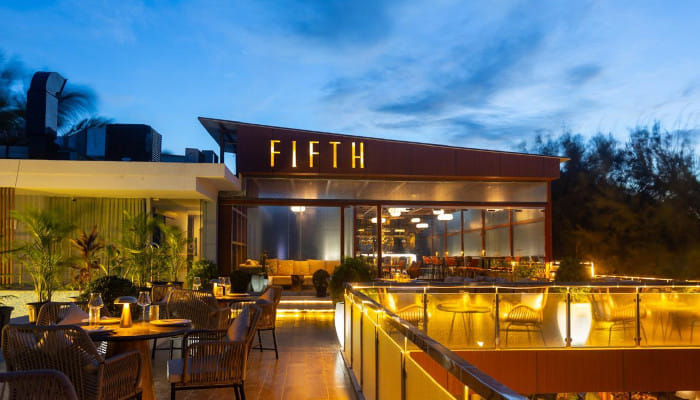
Over the past decade, Chef Shriram Rajendran has quietly built one of Chennai’s most disciplined multi-brand food portfolios, moving with equal ease between premium dining rooms, high-energy quick-service formats, and youth-driven concepts that understand both flavour and scale. From the early foundations of The Table to the rapid expansion of MAPO Hakka Chinese, the craft focus of Butter Crust, the playful edge of Scoop Dawg, and the evolving ambition behind Fifth, his journey reflects a rare balance between technical training and entrepreneurial instinct. In this conversation, he reflects on building systems alongside menus, shaping brands that speak to different audiences without losing clarity, and responding to the changing expectations of diners in a city where experience now matters as much as taste.
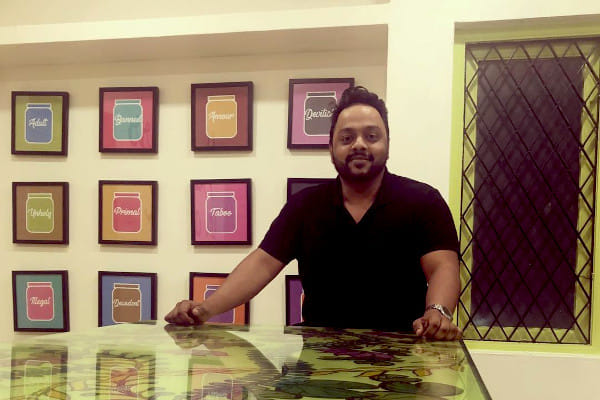
1. What was that one electric moment when you knew fine-dining precision had to meet street-smart entrepreneurship?
I didn’t come from a hospitality background at all. I started cooking at 15, at home, just experimenting, no industry exposure, no guidance, just curiosity. Everything I know professionally, I learned at Le Cordon Bleu London, across both the hot and cold kitchens. That foundation shaped everything. But the real shift happened when I came back to India. I saw the gap between world-class technique and real market demand. That’s when it clicked that this couldn’t just be about perfect food; it had to work as a business. That was the transition from being just a chef to building systems.
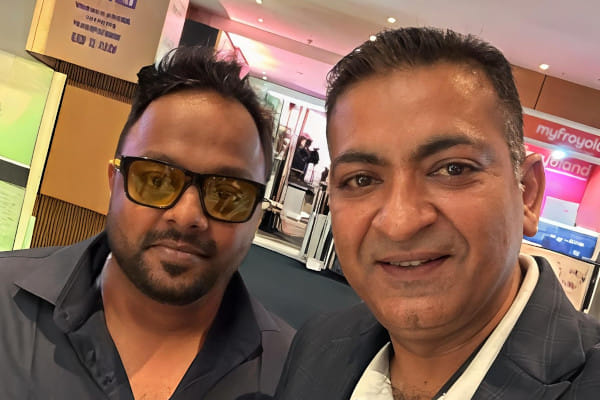
2. What piece of old-world discipline still powers every brand you launch today?
Consistency. That’s something reinforced during my time in structured hotel environments. You don’t get to have an off day. Today, whether it’s a 199 momo at MAPO or a dessert jar from The Table, it has to deliver the same experience every single time.
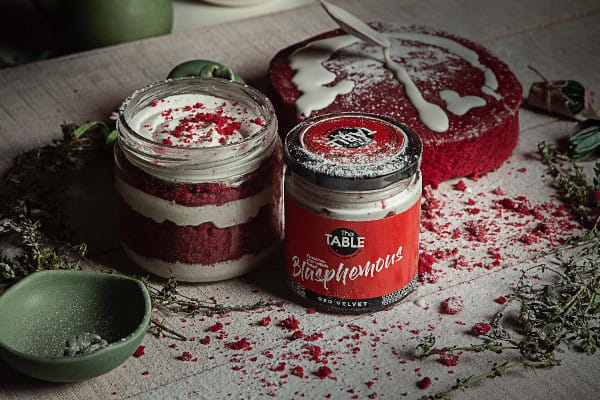
3. The Table started as your first love. What keeps it fresh even after a decade?
The Table began with dessert jars and accessible formats instead of plated desserts. That decision made it scalable from day one. We focused on products people could come back to regularly, not just try once. That mindset has kept the brand relevant across both B2B and B2C formats.
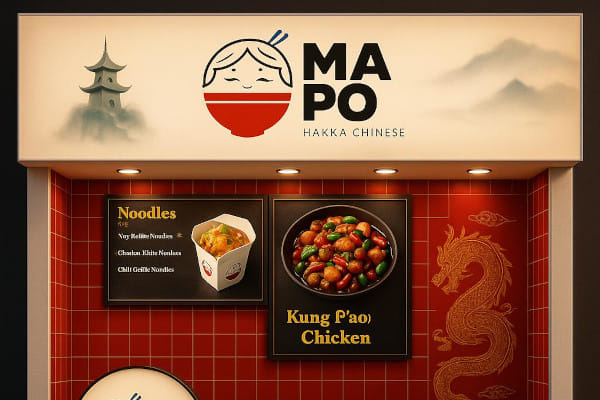
4. MAPO Hakka Chinese scaled rapidly. How did you maintain flavour integrity at volume?
MAPO is built for speed and flavour impact. We engineered the backend with strong base sauces, fast execution, and tight menu control. So while the experience feels bold and street-style, the system behind it is highly structured. That balance is what allows scale without losing identity.
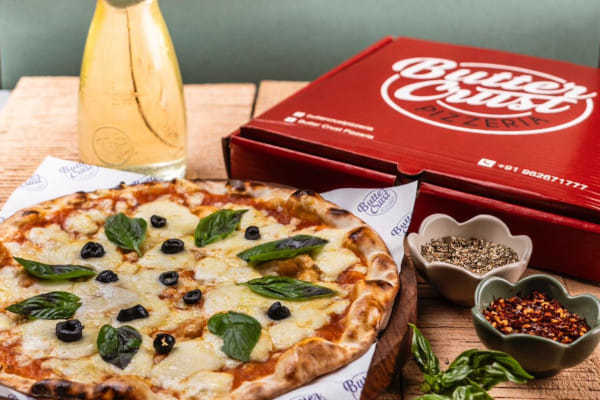
5. Butter Crust has a very different tone. What defines it?
Butter Crust is a pet project. It’s a single-location artisanal pizza concept with no pressure to scale. The focus is on getting the fundamentals right: dough, fermentation, and balance. No shortcuts.
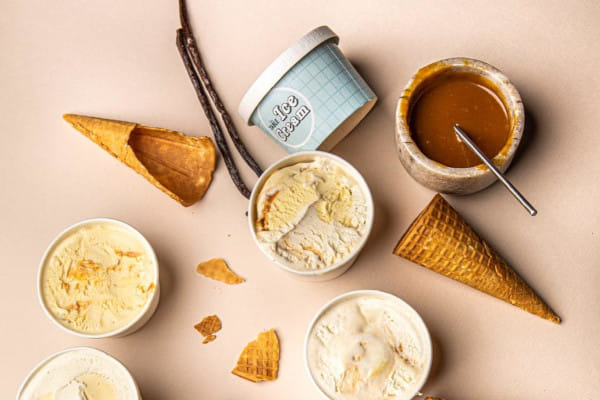
6. Scoop Dawg feels like a completely different energy. How do you stay ahead of Gen Z?
Gen Z responds to feeling, not formality. Scoop Dawg is designed to be fun, disruptive, and slightly unpredictable. The flavours are conversation starters, but behind all of that is strong unit economics and product discipline.
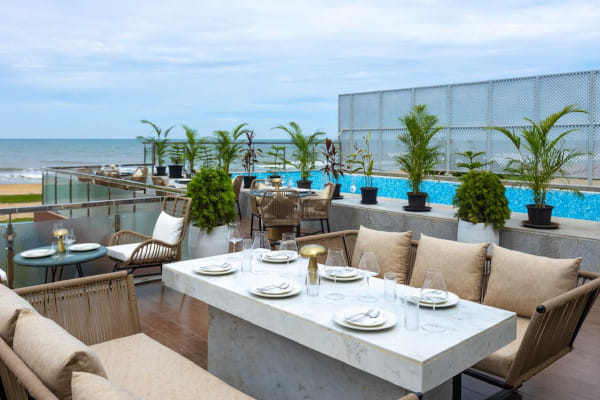
7. Fifth is your premium concept. What defines its experience?
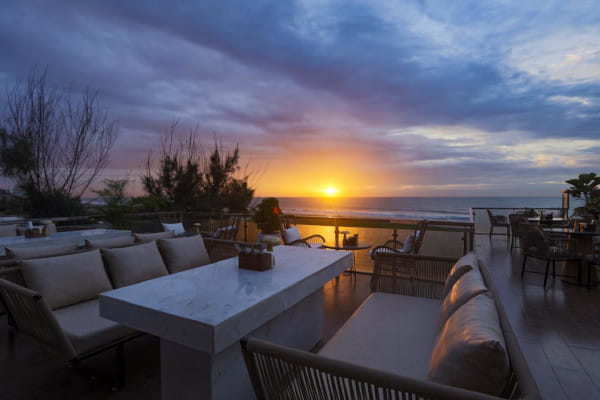
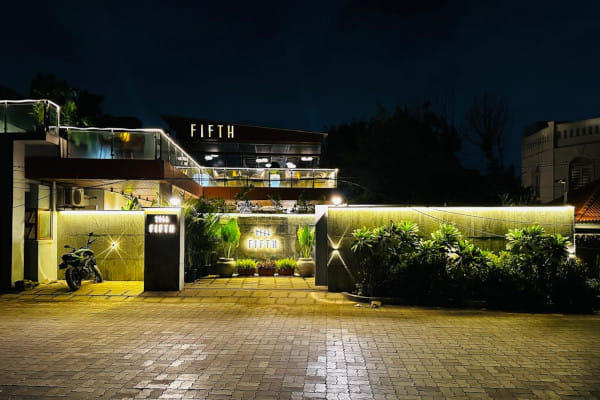
Fifth is a modern Indian and modern Asian restaurant with a limited, curated menu executed at the highest standards. The idea is to guide the guest, not overwhelm them. On weekends, we bring in a Santa Maria grill, one of its kind in India, serving serious grills and some of the best Wagyu in the country. Our cocktail program is being built to a world-class standard and will launch soon. Alcohol service hasn’t started yet, but it will.
8. What is the toughest lesson you’ve learnt in scaling brands?
Creativity without structure is not sustainable, and structure without creativity kills the brand. The real challenge is balancing both.
9. How do you decide if an idea is worth pursuing?
I ask a simple question: Will people come back for it? If it doesn’t repeat, it doesn’t stay.
10. What is the biggest shift you’re seeing in Chennai’s F&B space?
People expect more than just good food now. They want experience, speed, and identity. Brands that don’t evolve beyond taste will fall behind.
11. What ties all your brands together under one umbrella?
Clarity and discipline. Each brand has a defined role, but they all operate with the same standards.
12. What advice would you give young chef-entrepreneurs?
Skill gets you in. Consistency keeps you in. Anyone can have a good day in the kitchen, but very few can deliver the same standard every single day under pressure and at scale. That’s what builds real careers.
13. What’s next for you?
Controlled expansion, stronger systems, and entering new markets while sharpening each brand’s positioning.
14. What still excites you after all these years?
Building, whether it’s dishes, brands, or systems. That process still gives me energy.
15. If you had to create one signature that defines your journey, what would it be?
It would combine technique, bold flavour, and accessibility. Something people don’t just admire, but crave, because as I always say, “I didn’t come from the industry. I built myself into it, and then built businesses around it.”
Written By

A hotelier and restauranteur with more than two decades of experience in the F&B and Hospitality industries, Sachin Pabreja is Co-founder of EazyDiner, India’s only instant table reservation platform. He is passionate about changing the landscape of the Indian F&B industry. Prior to EazyDiner, Sachin worked at The Imperial, Grand Hyatt as well as Claridges Hotel in New Delhi and remains focussed and committed to creating innovative and exceptional products in the F&B and Hospitality industries.