
Tête-À-Tea With Sachin Pabreja: Varun Singal On Building Ebisu’s Authentic Japanese Legacy In India
From Gurugram to Saket and Bengaluru, the founder of Ebisu Fine Japanese Cuisine talks authenticity, omotenashi, and why great Japanese dining begins with honest food and uncompromising detail
30 Apr, 2026 by Sachin Pabreja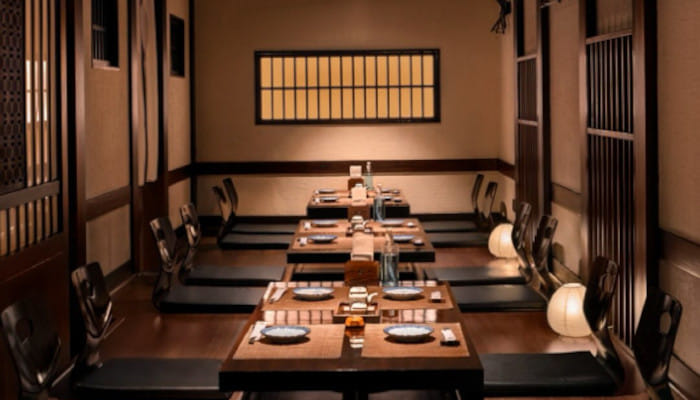
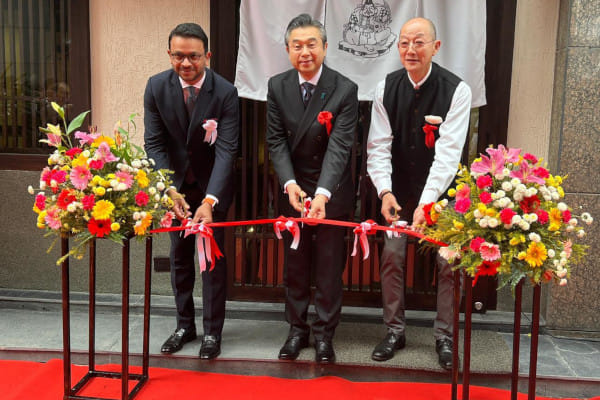
Ebisu Fine Japanese Cuisine marked a defining milestone on January 31, 2024, with the launch of its second outlet in Saket, Delhi, inaugurated by Japan’s Ambassador Hiroshi Suzuki alongside owner Varun Singal. What began in Gurgaon in 2018 as a refined yet approachable Japanese dining destination has since grown into one of India’s most trusted names in authentic Japanese cuisine, earning the loyalty of both Japanese expats and Indian diners alike. Today, with a presence across Gurgaon, Delhi, and Bengaluru, Ebisu continues to set the benchmark for immersive Japanese dining through authentic sushi counters, premium seafood such as fresh hamachi, and award-winning hospitality. I met Varun during the inauguration of the Saket outlet, where over the course of our conversation, we spoke at length about Japan’s food culture, its deep-rooted dining philosophies, and the thoughtful authenticity that continues to shape Ebisu’s journey in India.
1. Ebisu is the Japanese God of fishermen and luck. How does this deity’s "honest work and prosperity" philosophy translate into the daily operations at your restaurants?
Ebisu, the Japanese God of honest work and prosperity, reflects the philosophy we live by. We focus on doing the basics right: honest food, consistent quality, and sincere service. Over time, that builds trust. And in hospitality, trust is the only form of long-term success.

2. When you started in 2018, the Japanese food scene in India was often synonymous only with high-end sushi. What made you bet on the Izakaya format instead?
When we started in 2018, Japanese cuisine in India was largely limited to very high-end restaurants in five-star hotels or small establishments catering primarily to Japanese expats. We saw an opportunity to create an environment where guests feel instantly transported to Japan. A space where one could enjoy high-quality, authentic Japanese food in a warm, family-friendly setting, with true Japanese hospitality, without it feeling inaccessible. Our premium Izakaya format allowed us to bring authentic Japanese dining to a wider audience, from business diners to families and groups of friends.
3. You recently expanded from the corporate hub of Gurugram to the lifestyle hub of Saket and are now in Bangalore. How has the response differed between these two distinct crowds?
Gurugram gave us a strong base of repeat customers and Japanese expats. Saket introduced a younger, more exploratory audience. Bangalore has been the most globally aware; guests here are immediately receptive to authentic flavours. Each market behaves differently, but the response to authenticity has been consistently strong.
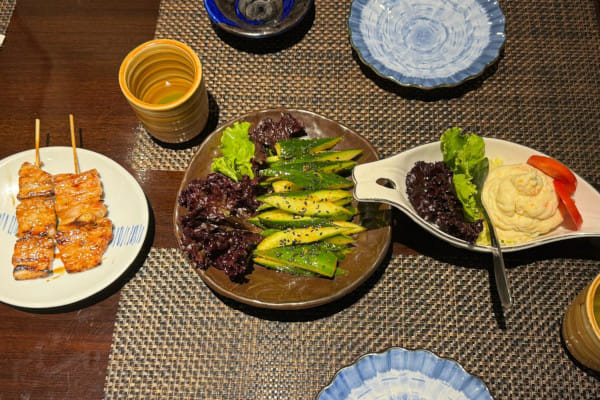
4. While everyone knows your Sushi, dishes like the Buta Syabu Salad and Grilled Pork Belly Teriyaki have a cult following. What is the story behind these particular recipes?
Dishes like sushi, sashimi, or yakitori weren’t designed as hero items. They are simple, flavour-forward, and deeply comforting. That’s what builds loyalty: high-quality, authentic food that guests want to return to, consistently.
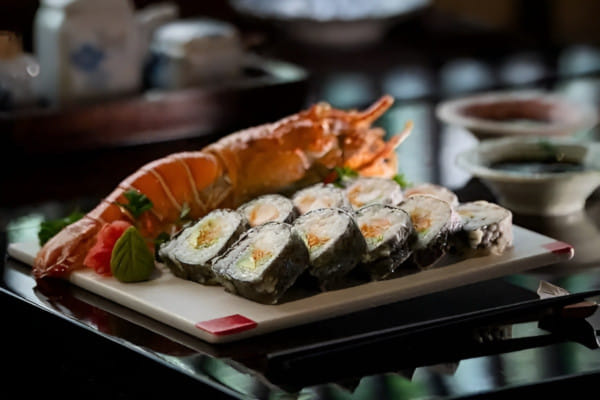
5. Japanese cuisine is deeply rooted in the seasons. Do you introduce "Monthly Specials" that reflect the changing produce in Japan?
Seasonality plays an important role in our approach. While direct replication of Japanese seasonal produce isn’t always practical, we interpret the idea through rotating specials and ingredient-led variations that reflect the spirit of the season.
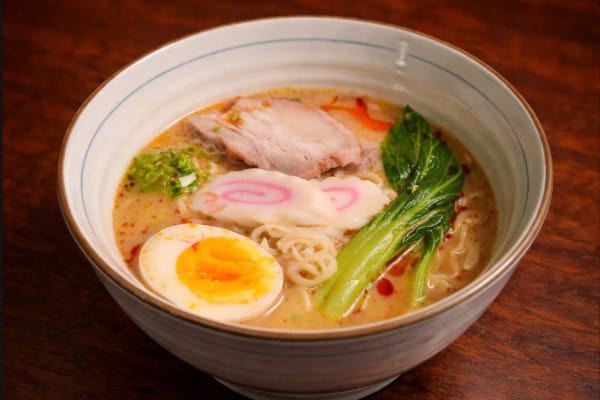
6. Ebisu is often praised for its Ramen and Donburi. In a world of "fusion," how do you ensure your broth stays true to the streets of Tokyo?
With ramen and donburi, restraint is key. We focus on slow-cooked broths, balanced flavours, and technique-driven cooking, without over-fusion. The goal is simple: the food should feel authentic and very close to what you would experience in Japan.
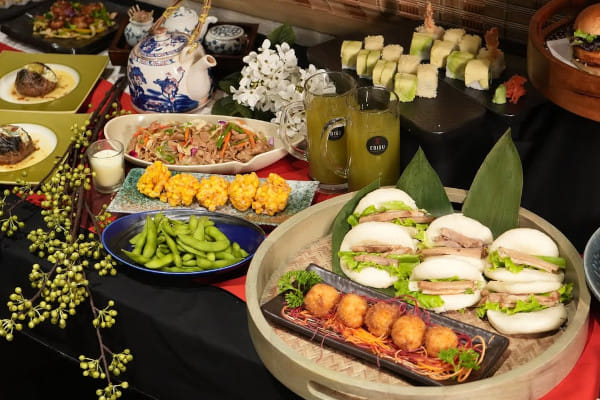
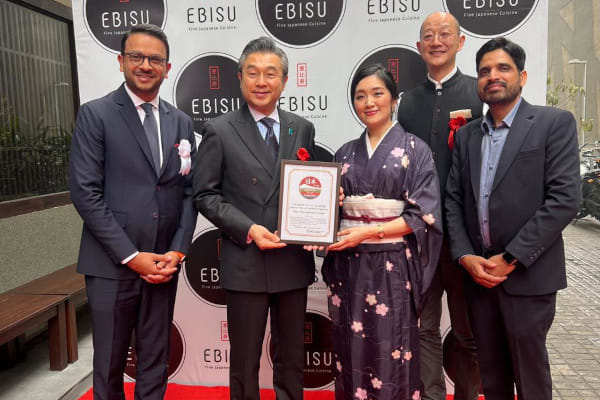
7. Authentic Japanese ingredients are notoriously difficult to source. Can you tell us about your collaboration with the Japanese Government’s certification program for "Japanese Food Supporter Stores"?
Authentic sourcing is one of the most complex aspects of running a Japanese kitchen in India. Our association with the Japanese Government’s “Japanese Food Supporter Stores” program helps us stay aligned with global standards and access the right ingredients. Most of our core ingredients are imported directly from Japan (apart from local produce like fruits, vegetables, and poultry). It’s demanding, but essential.
8. What is the one ingredient you refuse to substitute with a local alternative, no matter the cost or logistical challenge?
Rice is non-negotiable. It is the foundation of Japanese cuisine, and even a small compromise changes the entire experience. Beyond that, we remain committed to using original Japanese ingredients, including sauces, seasonings, and staples, without substituting them with local or alternative versions.
9. How do you bridge the gap between traditional Japanese techniques and the Indian kitchen team’s execution?
Execution comes down to discipline. We invest heavily in training our teams, not just in recipes, but in technique and mindset. Authenticity is not about who cooks the food; it’s about how deeply it is understood and how consistently it is executed.
10. Ebisu is a favourite for Japanese expats living in NCR. What is the highest compliment a Japanese guest has ever paid the restaurant?
The most meaningful feedback we receive is when Japanese guests say the food feels familiar. That sense of recognition is the highest validation for us. We are also privileged to be associated with the Embassy of Japan and several leading Japanese corporations for catering and dining experiences. Over time, Ebisu has become a trusted name within the Japanese expat community in India.
11. You offer traditional sunken seating. How does the physical layout of the restaurant change the way guests interact with their food and each other?
The seating naturally slows the dining experience down. It encourages longer conversations, shared plates, and a more relaxed way of dining, closer to how meals are enjoyed in Japan.
12. You often talk about Omotenashi (wholehearted hospitality). Can you share an instance where your team went above and beyond for a diner?
Omotenashi is about thoughtful, unobtrusive care. It lives in the small details. Remembering preferences, anticipating needs, and making guests feel genuinely at ease. There isn’t one defining moment; it’s a culture of consistency.
13. What do you think sets Ebisu apart from the newer, trendier "Nikkei" or fusion spots?
What sets Ebisu apart is clarity of intent. We’ve stayed committed to authenticity rather than chasing trends. Fusion evolves quickly, authenticity builds over time. Our focus has always been on bringing true Japanese food culture to India, without dilution.
14. Where do you see the Japanese food trend heading in India over the next three years? Are we ready for more niche regional Japanese cuisines?
Indian diners are becoming far more informed and adventurous. We expect to see growing interest in regional Japanese cuisines, such as different ramen styles, izakaya culture, and lesser-known dishes. That shift has already begun. At its core, Ebisu is about making Japanese cuisine approachable, without diluting its essence. That balance is what we continue to build on.
From The Editor’s Table
My conversation with Mr Varun Singal was truly insightful. Since Ebisu first opened, I have made it a point to visit for a meal once every two months, and these remain my top recommendations:
• Tuna Sashimi: Fresh, cold tuna slices with radish, cucumber, and carrot, praised for texture and quality
• Grilled Pork Belly (Teriyaki): Juicy skewers balancing fat, meat, and flavour; often ordered twice to end meals
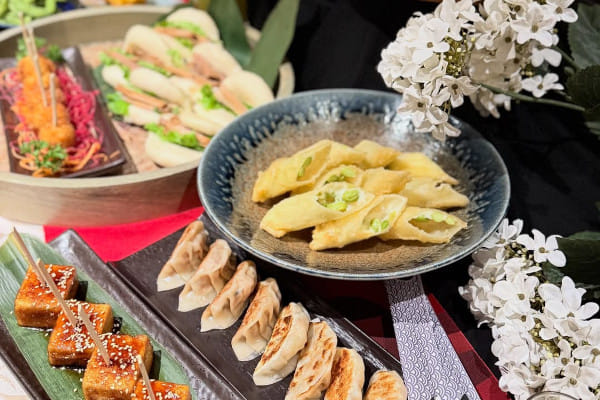
• Age Gyoza: Crispy deep-fried pork dumplings with sweet-sour onion sauce and veggies; a Delhi NCR favourite.
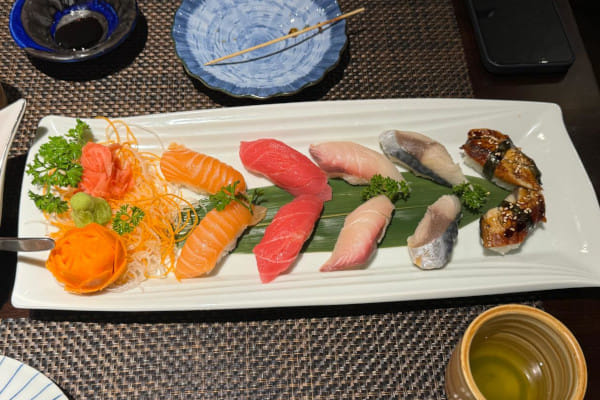
• Moriawase Sashimi Platter: Mixed fresh sashimi, a must-try alongside Maguro Nigiri
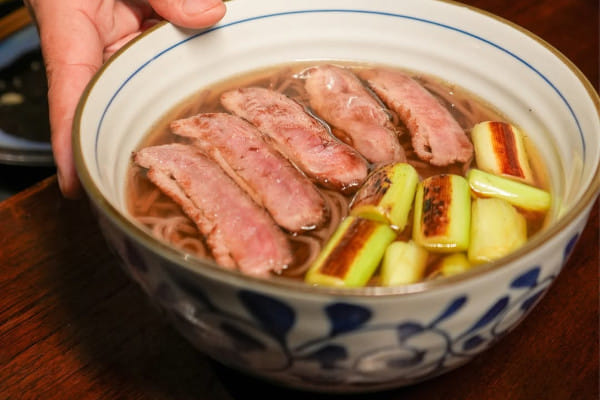
• Signature Ramen: Soul-warming bowls like spicy salmon or chicken teriyaki variations.
Written By

A hotelier and restauranteur with more than two decades of experience in the F&B and Hospitality industries, Sachin Pabreja is Co-founder of EazyDiner, India’s only instant table reservation platform. He is passionate about changing the landscape of the Indian F&B industry. Prior to EazyDiner, Sachin worked at The Imperial, Grand Hyatt as well as Claridges Hotel in New Delhi and remains focussed and committed to creating innovative and exceptional products in the F&B and Hospitality industries.